Yancheng Haite Machinery Technology Co., Ltd
+86-515-86290308

Company Profile


Yancheng Haite Machinery Technology Co., Ltd. was founded in 1992, after nearly 30 years of development and growth, has developed into a professional hydraulic equipment and deck machinery manufacturing enterprises, The company covers an area of more than 160,000 square meters, the existing staff 370 people, including 46 engineering and technical personnel, 10 senior engineers.


Why choose us?

High quality

Our products are manufactured or executed to very high standards, using the finest materials and manufacturing processes.

Company honor

ISO9001:2015 quality management system; CCS, DNV, GL, KR, ABS, BV, LR, NK, RINA classification society certification of 9 countries.

Global shipping

Haite hydraulic products have been exported to Europe, Middle East, Southeast Asia, Middle Asia, Russia and the other countries and regions.

Competitive price

We offering a higher-quality product or service at an equivalent price. As a result we have a growing and loyal customer base.


What is Energy Hydraulic Cylinder
 

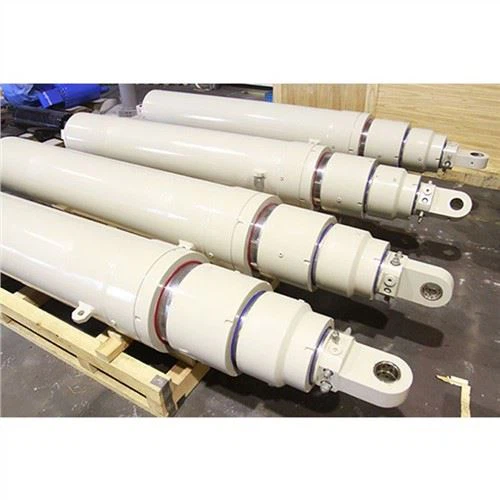
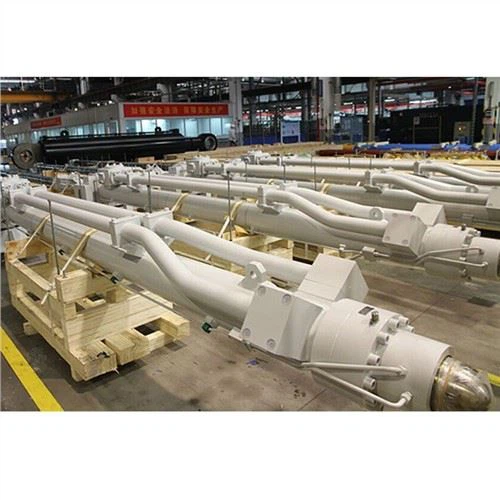
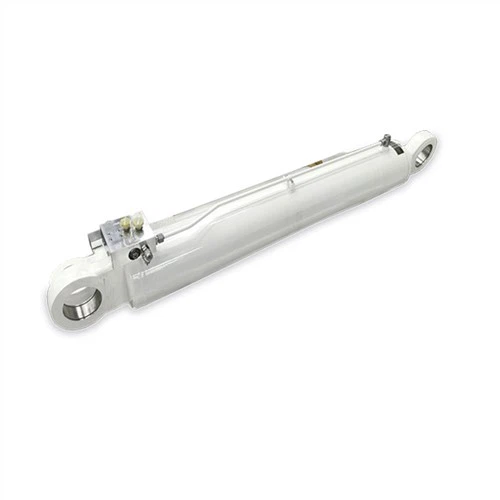
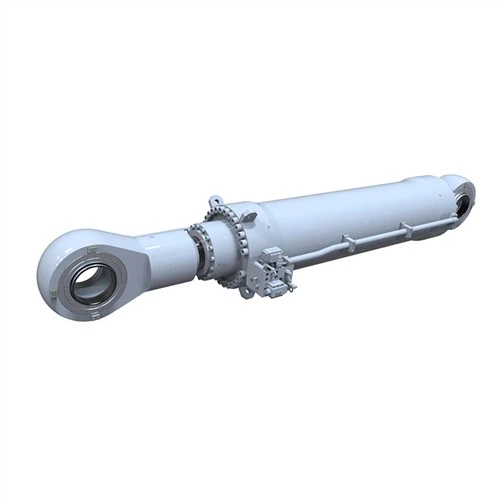
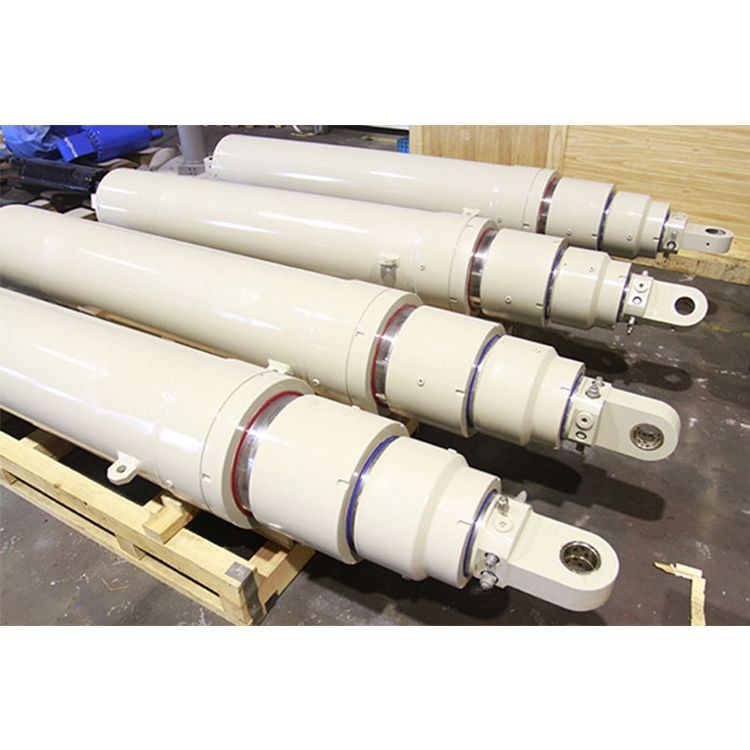
A energy hydraulic cylinder is a mechanical device that uses hydraulic fluid to generate force in a linear motion. It consists of a cylinder barrel, piston, piston rod, and hydraulic fluid. When hydraulic pressure is applied, the piston moves, pushing or pulling the load with it.
Energy hydraulic cylinders are mechanical devices that play a crucial role in numerous industries, from manufacturing to construction and material handling. These powerful cylinders use hydraulic energy to generate linear force and motion, making them essential components in various applications.


Benefits of Energy Hydraulic Cylinder
 
01/

Energy efficiency
Energy hydraulic cylinders convert fluid power into energy. By harnessing the power of fluid mechanics, hydraulic systems can efficiently transmit force and control movement with minimal energy loss, resulting in lower operating costs and reduced carbon emissions.

02/

Versatility and precision
Exceptional control and precision provides smooth and accurate movement in various applications. Eliminating unnecessary movements and ensuring precise control, hydraulic cylinders help optimize processes, reducing waste and energy consumption. This increased effectiveness benefits both the environment and overall productivity and performance.

03/

Reduced material waste
Energy hydraulic cylinders are durable and reliable. Hydraulic cylinders are designed to function even in difficult operating conditions and heavy loads. Quality design and manufacturing, coupled with adequate maintenance reduces the need for repeated replacements. Cylinders are also a sustainable option for industrial applications because of their long lifespan, which results in less material waste and resource usage.

04/

Sustainable fluid options
While most hydraulic cylinders traditionally use petroleum-based fluids, advancements in fluid technology have developed eco-friendly alternatives. Some examples include bio-based or water-based hydraulic fluids. These sustainable fluid options reduce the ecological footprint associated with hydraulic systems, as they are biodegradable, non-toxic, and pose a minimal environmental risk in the event of a leak or a spill.


Types of Energy Hydraulic Cylinder


Single acting cylinders
These cylinders have a one-way port. The piston rod expands to accommodate either fluid or gas when it is introduced to the system. External pressure is applied to revert the expansion, a load string can also be used for the same purpose. They are equipped with a spring that is responsible for the movement of the piston and the port fluid. There is a seal on the piston’s head that ensures that the fluid stays put.

Double-acting cylinder
The double-acting cylinders contain connection ports on the rod and the head. The two ports provide a bidirectional passage which allows for increased fluid movement making it more efficient. Hydraulic force is utilized to push and pull the plunger from their respective ports. The piston rod in this type of cylinder can have pressure applied to it on both sides. External force is not required to achieve the movement when pressure is present. The double-acting cylinder is equipped with a ram lip which provides extra support to the rod.

Tie-rod cylinder
This type of hydraulic cylinder has a steel rod that is threaded. Threading is done to reinforce and strengthen the rod. They are fitted with two caps at the end that seal in the fluids. It consists of a barrel, head, and base held together by four or more tied rods. Larger cylinders can contain up to twenty tie rods. It can be used to lift heavy objects as well as push and pull them.

Welded cylinders
Welded cylinders get their name from their end caps that are welded at the end of the barrel. The ports are also welded to the cylinder’s barrel. The rod gland at the front is threaded into the barrel cylinder. This provides an allowance for the rod assembly and seals to be easily removed.

High-tonnage cylinders
This type of hydraulic cylinder comes in a variety of designs. The designs include single-acting and double-acting designs. High tonnage is used to refer to its weight tolerance. They are used for lifting extremely heavy objects. It has a weight limit of up to 1000 tons.

Telescopic cylinder
The telescopic hydraulic cylinder gets its name from it is design. It consists of tubes that are arranged according to size in decreasing order so that they fit into each other.
The tubes are typically made of aluminum or steel. The tubes are referred to as stages this cylinder can have up to five or more stages. Telescopic cylinders can therefore be categorized according to the number of stages they contain. They come in both single-acting and double-acting types.

Lightweight cylinders
Lightweight cylinders get their names from their mass. These types of cylinders are made with lightweight materials such as aluminum. They come in different variations suited for different purposes.

Hollow plunger cylinder
This cylinder has a collar that is threaded inside its plunger and an open center. This threaded section is ideal for hooking up attachments which are then used to pull, push, or lift heavy objects. They are different types including single-acting and double-acting hollow cylinders.


Application of Energy Hydraulic Cylinder
Solar Power Cylinder
Gas and Oil Exploration and Drilling Cylinder
Wind Energy Hydraulic Cylinders
Wave Power Cylinder

Aerospace
Hydraulic cylinders are responsible for transmitting power from one area to another through an incompressible fluid. Due to the speed at which the power transfer should take place, aircraft rely on hydraulic cylinders for the brakes, in addition to the landing gear and flaps.

Agricultural
Hydraulic cylinders are extensively used to power the mechanical components of larger agricultural equipment such as skid steers, harvesters, tractors, loaders and seeders. Hydraulic cylinders are present in smaller components such as spraying equipment. Wood splitters and various other attachments of other machines also use hydraulic cylinders to operate.

Automotive
Where vehicles are required to resist motion under load by means of fluid pressure and push or pull, hydraulic cylinders are needed to facilitate the process. They operate by producing linear motion and force in applications that transmit power. For this reason, hydraulic cylinders are present in both heavy and light vehicles.

Food production and manufacturing
It is not uncommon for the food and manufacturing industry to exist in high-pressure, heat and speed environments.
Hydraulic cylinders meet the demand to ensure operations run at optimum performance within the industry, and to carry out innumerable tasks. When moving products and materials from one area to another, forklifts which operate with hydraulic cylinders are utilised. When transporting materials through a conveyance system that also sorts, and distributes products hydraulic cylinders ensure the task at hand is performed.

Metal fabrication
The force hydraulic cylinders are capable of reaching makes them invaluable to the metal fabrication industry which requires tremendous power to create complex structures by forcing, cutting, and drilling metal.
A few examples of hydraulic-powered machines include lathes, grinders, planers, honing machines, and broaches.

Waste management industry
Hydraulic cylinders provide adequate torque to control the lifters, loaders, and dumpers used in the waste management industry. Pulling down a garbage truck and transporting it to another location requires the innovation hydraulic cylinders provide.
Thanks to hydraulic cylinders and motors, trash compactors are able to compress waste ensuring waste management is conducted efficiently avoiding numerous trips that would result in increased fuel costs.
Street sweepers that operate with rotating brushes and water also rely on hydraulic cylinders to clean roads.

Construction projects
In the same way that agricultural applications rely on hydraulic cylinders to carry-out functions, the construction industry also heavily depends on hydraulic cylinders.
Common machines where hydraulic cylinders are present include, power forklifts, bulldozers, and loaders to lift and push loads.
Excavators that control the movement of the bucket and boom also use hydraulic cylinders. Through the use of hydraulic fluid and motors, the machinery moves the cylinder effectively to produce the desired outcome.


Components of Energy Hydraulic Cylinder


Cylinder barrel
The barrel of the cylinder is the body that holds all the components inside of it. It acts as the chamber in which the piston rod moves in and out. This facilitation of movement ultimately is converted into mechanical energy that is transferred to the parts of the machine that require the energy. The barrel must be made up of strong materials to avoid deforming, as compressing the chamber within will reduce the amount of pressure that can be converted, or even hinder the movement of the piston rod.

Cylinder base/cap
Found at one end of the cylinder, the cap is crucial for containing the pressure within. Without it being tightly sealed, it would lose pressure and machine functionality. Aside from that, its presence also supports the structure of the barrel.

Cylinder head
The head of the cylinder contains the rod sealing and bearing components, allowing the piston rod to extend and retract from the cylinder during movement. It has components on the rod that ensure that it keeps the cylinder sealed whilst moving, preventing leaks and infiltration.

Piston
The piston sits inside the cylinder barrel, which is split into two. It moves back and forth from the force of the hydraulic fluid entering one of the two chambers. As one half of the chamber fills, the other moves, and thereby functions the rod.

Piston rod
The piston rod extends from the piston, through the cylinder head and to the outside. It is a transmitter of force, generated by the movement of pressurised hydraulic oil inside the cylinder, to different parts of the machine to command motion. Whenever you operate hydraulic machinery and command it to move/lift, this is what’s happening inside the machine.

Seals
Seals come modified for each component within and without the cylinder, including piston seals, rod seals, wiper seals and O-rings. Seals can be modified to serve several purposes, the most important being preventing leakage and keeping contaminants out.

Rod gland
The rod gland is the part of the cylinder head and serves several purposes. It ensures that the rod piston is aligned, ensuring the most efficient movement. It also is another component that requires seals.


How to Maintain Energy Hydraulic Cylinder

Keep your fluid clean
As we mentioned above, one of the most common causes of hydraulic failures is hydraulic fluid contamination. Fit your system with high-efficiency filters, and be sure to change them on a regular basis.

Follow a regular maintenance schedule
Follow a prescribed schedule of regular maintenance is one of the best ways to keep your hydraulic cylinders performing at an optimal level. Beyond paying attention to fluid levels, you also want to look for any misalignment issues. Misalignment can easily result in premature wear of any hydraulic cylinder.

Rotate or alternate cylinders as needed
Assuming downtime is never a good option, it’s a good idea to have another cylinder available as a critical spare, or for rotating in as an alternate. This will help to keep all of your cylinders in good shape, and will further prolong the longevity of your hydraulic system.

Maintain your cylinder accessories, to
The piston is another crucial element of a hydraulic cylinder assembly. If the piston becomes damaged, the cylinder system can fail. Pistons naturally show some wear and tear over time, but this wear can be accelerated by things like fluid contamination or side loading stress.

Hydraulic cylinder testing
Regular hydraulic cylinder testing is another proven strategy for maintaining optimal performance. This usually means checking for any leakage, which involves pressurizing the cylinder at the end of a stroke. For double-acting cylinders, a mid-stroke bypass test might be more valuable. And hydrostatic testing can help to evaluate a piston at any point in the hydraulic process. Got questions about hydraulic cylinder testing, or need some help in this regard? Just reach out to the pros at AES!


How to Choose the Right Energy Hydraulic Cylinder


Capacity
Medium-duty systems account for most of industrial applications and are typically at 1000 PSI. Standard heavy-duty hydraulic cylinders are capable of handling pressures as high as 3000 PSI, which are typically required for hydraulic presses, automotive applications and other related industrial applications.

Stroking distance requirements
Although custom stroke distances above 10 feet (3.05m) are possible. Pressure rating can be a concern. Rod diameter needs to be determined to handle the load.

Speed
Standard hydraulic cylinder seals can easily handle speeds up to 3.28 feet (1 meter) per second. The tolerance threshold for standard cushions is roughly two thirds (2/3) of that speed. Frequently, a standard low-friction seal is the better choice for higher speed applications.

Temperature
Hydraulic cylinder systems using standard components can be designed to meet application temperatures as hot as 500°F (260°C) and as cold as -65°F (-54°C). Applications requiring temperature extremes at either or both ends of the temperature spectrum require extensive knowledge of the interdependency of individual components to achieve the best balance of short- and long-term performance expectations.

Mounting styles
There are three types: a) Fixed mounts that absorb force along the centerline of a cylinder, b) Fixed mounts that do not absorb force along the centerline, and c) Pivot mounts that drive a load in a curved path.

Cylinder bore size
Bore size is related to operating pressure. It is the amount of push or pulls force required that determines the bore size needed.

Piston rod size
OEM design engineers probably request customization of piston rod sizes more frequently than any other hydraulic cylinder component. Remember to always consider that push or pull is never independent of stroke length when determining rod size.

Cylinder configurations
For applications requiring equal force pressure on both sides of the piston, a standard double-acting cylinder configuration using pressure to extend and retract the cylinder, combined with a four-way directional control valve to direct pressure to either the head or the end cap, is almost always preferable to more customized solutions.

Rod ends/rod threading
Standard threads can be made in inch or metric format, customization is rarely needed or warranted due to delays, expense, and the inability to readily mate with accessory components.

Cylinder body tube
Standard cylinder bodies are plain steel or chrome-plated and will be able to handle a majority of applications. Using alloy steels, stainless steel or brass materials are prevalent in special applications like a water type environment.

Stop tubing
Stop tubing is generally used to lengthen the distance between the rod bearing and the piston bearing in order to reduce bearing load on push-stroke cylinders when the cylinder is fully extended. Stop tubing is especially critical for horizontally mounted cylinders where it helps to restrict the extended position of the rod.

Seals
Experienced hydraulic system manufacturers will offer seals to meet a complete range of temperatures and fluid types and can help guide an engineer’s specification to meet precise application requirements.


Certifications


productcate-1362-552
productcate-1-1
productcate-1-1


Our Factory


Yancheng Haite Machinery Technology Co., Ltd. was founded in 1992, after nearly 30 years of development and growth, has developed into a professional hydraulic equipment and deck machinery manufacturing enterprises, The company covers an area of more than 160,000 square meters, the existing staff 370 people, including 46 engineering and technical personnel, 10 senior engineers.


productcate-1-1

productcate-1-1

productcate-1-1

productcate-1-1


FAQ


Q: What is an energy hydraulic cylinder, and how does it differ from other types of cylinders?

A: An energy hydraulic cylinder is a type of hydraulic cylinder designed specifically for generating and storing energy within a hydraulic system. Unlike standard cylinders, which convert fluid power directly into linear motion, energy hydraulic cylinders store energy in the form of compressed fluid and release it when needed, providing a burst of energy for rapid or powerful movements.

Q: How does an energy hydraulic cylinder generate energy?

A: Energy hydraulic cylinders generate energy through the compression of hydraulic fluid within a sealed chamber. When the piston rod retracts, it draws fluid into the chamber, compressing it and storing energy in the form of potential energy. This stored energy can then be released rapidly when the piston rod extends, pushing the fluid out and generating a burst of kinetic energy.

Q: What are the primary applications of energy hydraulic cylinders?

A: Energy hydraulic cylinders are commonly used in applications where rapid or powerful movements are required, such as in construction equipment, mining machinery, automotive industry, and industrial robotics. They are particularly useful in situations where space limitations or weight constraints preclude the use of larger, more powerful actuators.

Q: What are the benefits of using an energy hydraulic cylinder?

A: Energy hydraulic cylinders offer several benefits over traditional hydraulic cylinders, including increased energy density, faster response times, and improved controllability. Their ability to store energy also allows for more efficient use of hydraulic systems, reducing overall energy consumption and extending the life of the equipment.

Q: How is the energy stored in an energy hydraulic cylinder measured?

A: The amount of energy stored in an energy hydraulic cylinder is typically measured in terms of pressure and volume. The pressure within the chamber is multiplied by the volume of the compressed fluid to determine the total energy stored. This information is critical for designing and sizing the cylinder for specific applications.

Q: What factors influence the performance of an energy hydraulic cylinder?

A: Several factors can influence the performance of an energy hydraulic cylinder, including the type and viscosity of the hydraulic fluid, the design of the cylinder barrel and piston rod, the maximum working pressure, and the ambient temperature and operating environment. Proper maintenance and regular inspections are also important for ensuring optimal performance.

Q: Can an energy hydraulic cylinder be used in combination with other types of actuators?

A: Yes, energy hydraulic cylinders can be used in combination with other types of actuators, such as electric motors or pneumatic actuators, to achieve more complex or versatile movements. In such cases, they can be integrated into hybrid systems that leverage the strengths of each type of actuator.

Q: Are there any safety considerations when using energy hydraulic cylinders?

A: As with all hydraulic systems, there are safety considerations when using energy hydraulic cylinders. These include ensuring that the system is properly designed and installed, maintaining proper fluid levels and quality, and following all recommended maintenance procedures. Additionally, operators should be trained in the safe operation of the equipment and equipped with the necessary personal protective equipment.

Q: How do I select the appropriate energy hydraulic cylinder for my application?

A: Selecting the appropriate energy hydraulic cylinder requires considering several factors, including the required force and stroke length, the maximum working pressure, the operating environment, and the desired response time. It is also important to consult with a knowledgeable engineer or sales representative who can provide guidance based on your specific needs.

Q: What is the expected lifespan of an energy hydraulic cylinder?

A: The expected lifespan of an energy hydraulic cylinder depends on several factors, including the quality of the materials and components, the operating conditions, and the level of maintenance provided. With proper care and regular inspections, many energy hydraulic cylinders can last for several years or even decades.

Q: Can an energy hydraulic cylinder be customized?

A: Yes, many manufacturers offer customization options for energy hydraulic cylinders to meet specific application requirements. This can include variations in size, materials, port configurations, and additional features like cushions or integrated sensors. Customization allows for greater flexibility and can help improve the overall performance of the system.

Q: What maintenance is required for energy hydraulic cylinders?

A: Regular maintenance is essential for ensuring the longevity and optimal performance of energy hydraulic cylinders. This includes checking for leaks, inspecting seals and connections, verifying fluid levels and quality, and replacing worn components as needed. Proper maintenance can help prevent costly repairs and downtime.

Q: Can an energy hydraulic cylinder be used in hazardous environments?

A: Energy hydraulic cylinders can be used in hazardous environments, but certain precautions must be taken to ensure safety. This may include selecting cylinders designed for use in specific hazardous conditions, such as those exposed to high temperatures, flammable fluids, or corrosive substances. Additionally, operators should follow all recommended safety procedures and be equipped with the necessary personal protective equipment.

Q: Can an energy hydraulic cylinder be integrated with other types of control systems?

A: Yes, energy hydraulic cylinders can be integrated with various types of control systems, including manual, electronic, and pneumatic controls. This allows for more precise and responsive operation of the cylinder, as well as remote monitoring and control capabilities. Consulting with a knowledgeable engineer or technician is essential for ensuring proper integration and optimal performance.

Q: What is the maximum speed of a hydraulic cylinder?

A: The maximum speed of a hydraulic cylinder depends on several factors, including the cylinder size, stroke length, fluid viscosity, and system pressure. Typically, speeds can range from a few inches per second to several feet per second.

Q: What is cylinder cushioning, and why is it important?

A: Cushioning slows down the cylinder at the end of its stroke to prevent shock and damage to the system. It's particularly important in applications with high cycle rates.

Q: What is the difference between a standard and a welded hydraulic cylinder?

A: Standard cylinders typically have removable end caps for easy servicing, while welded cylinders have end caps that are welded to the barrel, often used for higher pressures or non-standard applications.

Q: Can a hydraulic cylinder be used underwater?

A: Yes, but special seals and materials are necessary to prevent water ingress and corrosion. Additionally, the system must be designed to handle the buoyant forces and potential pressure differentials.

Q: How does the stroke length of a hydraulic cylinder affect its application?

A: Stroke length determines the distance over which the cylinder can move. Longer strokes are suitable for applications requiring large travel distances, while shorter strokes are used for quick, repetitive motions.

Q: What are the different mounting options for hydraulic cylinders?

A: Mounting options include flange, foot, trunnion, and pivot mounts, each designed to accommodate specific installation requirements and forces.

As one of the most professional energy hydraulic cylinder manufacturers and suppliers in China since 1992, we're featured by quality products and competitive price. Please rest assured to buy cheap energy hydraulic cylinder in stock here from our factory. Contact us for customized service.

Solar Power Cylinder, Tunnel Boring Machine Cylinder, Wave Power hydraulic Cylinder

(0/10)

clearall