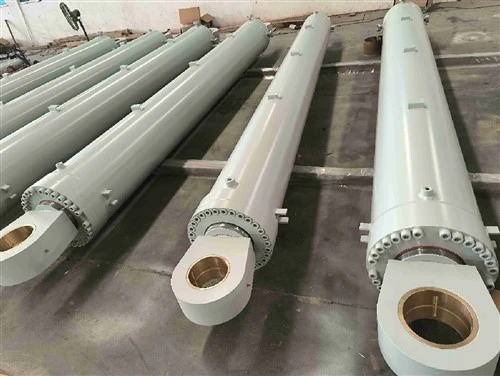
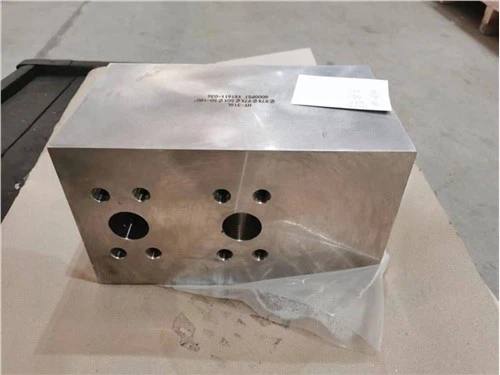
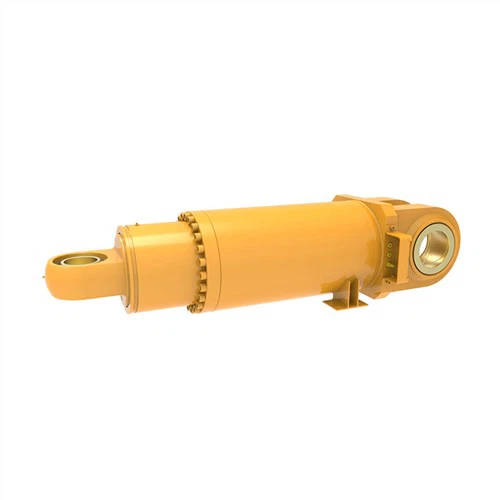
Yancheng Haite Machinery Technology Co., Ltd. was founded in 1992, after nearly 30 years of development and growth, has developed into a professional hydraulic equipment and deck machinery manufacturing enterprises, The company covers an area of more than 160,000 square meters, the existing staff 370 people, including 46 engineering and technical personnel, 10 senior engineers.
High quality
Our products are manufactured or executed to very high standards, using the finest materials and manufacturing processes.
Company honor
ISO9001:2015 quality management system; CCS, DNV, GL, KR, ABS, BV, LR, NK, RINA classification society certification of 9 countries.
Global shipping
Haite hydraulic products have been exported to Europe, Middle East, Southeast Asia, Middle Asia, Russia and the other countries and regions.
Competitive price
We offering a higher-quality product or service at an equivalent price. As a result we have a growing and loyal customer base.
What is Hydraulic Cylinder
Hydraulic cylinders are actuation devices that use pressurized hydraulic fluid to produce linear motion and force. They are used in a variety of power transfer applications, and can be single or double action. A single action hydraulic cylinder is pressurized for motion in only one direction, whereas a double action hydraulic cylinder can move along the horizontal (x-axis) plane, the vertical (y-axis) plane, or along any other plane of motion.
High force output
Hydraulic cylinders deliver powerful force output due to the incompressibility of hydraulic fluids. Fluid pressure is transmitted equally in all directions, providing high force output. Large piston surface area further enhances force output.
Easy maintenance
Hydraulic cylinders are designed for easy maintenance, with many components accessible for inspection and replacement.
Smooth operation
Hydraulic cylinders offer a smooth operation due to using hydraulic fluid as the working medium. The fluid creates a cushioning effect leading to a more controlled and stable operation. Additionally, hydraulic cylinders can be designed with adjustable flow controls that regulate the cylinder's movement speed, providing greater control and precision.
Wide range of sizes and configurations
Hydraulic cylinders are available in various sizes and configurations, from small, compact cylinders used in robotics to large, heavy-duty cylinders used in construction equipment. They can be designed in different configurations to accommodate specific application requirements, including single-acting, double-acting, telescopic, and multiple-stage cylinders.
High reliability
Hydraulic cylinders are designed to generate longitudinal force and handle the longitudinal load while also being able to withstand transverse loads of up to 10-15% of the total force. To ensure high reliability, hydraulic cylinders are subject to rigorous testing and quality control procedures, further enhancing their reliability.
Energy efficiency
Hydraulic cylinders are highly energy efficient as they can convert hydraulic pressure into linear motion with minimal energy loss. Also, hydraulic systems often incorporate energy-saving features which adjust flow rates to match demand, further reducing energy consumption.
Single acting cylinders
A single-acting cylinder has a port that works in one direction only. When a liquid or a gas enters the cylinder barrel, the rod will increase in size. For the rod to return to its initial state, the cylinder may use an external force or a load string. An example of single-acting hydraulic cylinders is the hydraulic jack used in the auto industry.
Double acting cylinders
A double-acting cylinder's ports are on both the rod and head parts. This design enables the hydraulic cylinder to move fluids more efficiently. The ports at both ends will control the movement of fluids within the cylinder. Hence, liquids and gases in double-acting cylinders can flow in two directions.
Nested cylinders
The possible applications of hydraulic systems have significantly increased, and manufacturers are trying to develop more special designs. One of the latest designs involves putting together at least three cylinders. The combination of many cylinders creates a system with varying forces and speeds. Hence, hydraulic cylinders can do many things during a single stroke.
Rotating cylinder
All the cylinders above don't rotate, which may limit their applications in many industries. That is why some manufacturers produce the rotating cylinder type with linear motion. The rotating cylinder design resembles that of a non-rotating cylinder in most aspects. The main difference is that the rotating cylinder contains a distributor component that can provide fluids to the rod and head ends of the cylinder. In addition, the rotating cylinder includes passages to allow the inflow of oil on both sections of the cylinder.
Low height cylinders
Low-height hydraulic cylinders may be ideal if you have limited space or want to move the cylinder around. The low-height cylinders have the exact working mechanism as many of the cylinders listed above but are lighter and smaller. However, you are only likely to find this type of cylinder in the single-acting model. Also, you can't use the low-acting hydraulic cylinder to perform activities requiring tremendous force.
High tonnage cylinders
Get a high-tonnage cylinder if your projects require a heavy lifting force. These cylinders can lift very heavy items that weigh over 1,000 tonnes. You can also use the high-tonnage cylinders for stability and protection for your loads. Hydraulic cylinders may use double-acting or single-acting working mechanisms.
Tie-rod cylinders
The tie-rod cylinder has a threaded steel rod to stabilize the components of the hydraulic cylinder. These cylinders also come with end caps to block fluid leaks. Hence, these cylinders have many applications in the industrial and manufacturing sectors. Those who buy tie-rod cylinders can expect easy repair, assembly, and maintenance of the cylinders.


Construction
One of the most prevalent industries for hydraulic cylinder usage is construction.
Construction sites are home to many different tools and equipment types, many of which rely on hydraulic systems. For instance, a hydraulic cylinder can assist in powering essential tools, such as forklifts, excavators, and bulldozers.
In fact, hydraulic cylinders are often used from the very start of construction, providing the focused energy needed for the completion of your project. This is because hydraulic cylinders and pumps are often used in material handling equipment, concrete, and brick molding machines. So, they help lay the groundwork for your project. It’s not the only place hydraulic cylinders are needed - you’ll see them throughout construction sites as projects come to life.
Waste management
In the waste management industry, hydraulic cylinder applications are seen in various equipment and systems such as loaders, collection equipment, and lifters. Hydraulic cylinders are commonly used here as they help provide the necessary torque to control these large machines.
Additionally, trash compactors use hydraulic cylinders and motors to compact waste, conserving space within the truck and allowing for more waste removal in the process while limiting fuel consumption.
Hydraulic cylinders are also seen with street sweepers, helping to rotate the brushes. Plus, they are beneficial for sweepers that use water, helping reduce the water needed for a high-pressure mist for cleaner roads.
Food industry
Another common application of hydraulic cylinder systems is in the food industry. In many cases, different types of hydraulic cylinders are needed to power equipment in this industry. For instance, a hydraulic pump can power equipment, such as forklifts to transfer materials.
Occasionally, conveyor systems will source power using hydraulic cylinders helping them process, package, and position food products. This often requires a more powerful hydraulic cylinder and the help of a professional.
Additionally, hydraulic systems help ensure consistent torque for important equipment in the industry, such as procedures involving shaping, cutting, separating, transferring ingredients, mixing, and dicing.
Ultimately, hydraulic cylinders are essential to the food packaging industry to keep food fresh and achieve precision, and much of the industry's success depends on hydraulic cylinders.
Mining
Another popular hydraulic cylinder use is in mining, especially when it comes to an essential piece of equipment - the stacker reclaimer.
A stacker reclaimer is a large mining machine involved in handling bulk materials. Since it can move multiple thousands of tons of aggregates every hour, it needs regular maintenance. This is where hydraulic cylinders come in, assisting in lifting the unit when things such as bearings need replacing.
Infrastructure repairs
Hydraulic cylinders are beneficial to use in different infrastructure repairs, including everything from lifting buildings to leveling bridges.
To lift large structures, such as buildings, hydraulic jacks are used in tandem with lifting systems to lift these heavy buildings. This is beneficial when the foundation of a building is in need of repair.
Another use is to lower and level structures such as bridges. This involves a bar lowering method, using single-acting high-tonnage cylinders and synchronous control units to control the bridge down and level it out.
Metal production
Another hydraulic cylinder used is in metal production. Often, hydraulic presses containing hydraulic cylinders are used in metal production. These cylinders exert force on metal, allowing it to be cut, bent, drilled, and assembled into pieces. Some of the hydraulic-powered machines that make this happen are grinders, planners, honing machines, and gears.
Due to the complexity involved in metal products, more robust hydraulic cylinders are required to make it possible, making consulting a professional on the different types of hydraulic cylinders more important.
Marine
Hydraulic cylinders are used in the marine industry in several ways, including handling equipment and placing heavy loads onto a ship.
For instance, in cases where the slew bearing needs replacing on a ship loader, the upper structure needs to be lifted. To do this, double-acting cylinders are used in tandem with a lifting system to make this possible.
When it comes to controlling a ship in the water, hydraulic cylinders often play a critical role. It’s essential that loads remain even, with even weight distribution. In order to address uneven ships, a lifting system and double-acting cylinder help slowly lower cargo into the vessel.
Agriculture
When it comes to the agriculture industry, a multitude of machines are controlled by hydraulic cylinders. This includes everything from tractors, to loaders, spraying equipment, ballers, heavy machines for planting, weeding, and harvesting, as well as skid steers.
With so much of the industry relying on the application of hydraulic cylinder equipment, hydraulic cylinders have become essential to the process of planting crops and rearing livestock. Plus, hydraulic cylinder usage is also seen with equipment such as wood splitters, making it a truly unavoidable addition to your agricultural projects.
Components of Hydraulic Cylinder
Cylinder barrel
This component holds together other elements that compose the overall structure. It keeps them aligned so they operate efficiently as one unit.
Piston rod
Essentially providing stability, the piston rod connects the piston to the head/base plate areas. It allows motion in only one direction with the necessary strength to maintain good shape under pressure thrusts generated by the flow of fluid inside the pipe.
Cylinder head and base
The head and base plates serve the same purpose. In combination with seals or glands that are fitted tight around the rod’s circumference, they help keep out dust particles from the pipes during operation. They still maintain the constant pressure needed for critical jobs such as keeping fields irrigated. Ports create pathways through which liquids can travel, enabling smooth functioning and seamless performance over periods of long-term use.
Cylinder barrel
The hydraulic cylinder’s major component is the seamless steel tube that contains the piston. The tube guarantees that the cylinder moves smoothly. It must be able to endure pressure and wear. It is strong enough for secure enclosing of the internal pressure zones. To guarantee its quality and durability in construction, honed tubes are used as part of high precision tolerance machining processes involving design, heat treatment, coating assembly, and testing stages before being implemented into use. In addition to providing strength against high pressures, fluid leakage is inhibited by primary seal placement inside the barrel. This indispensable element also provides the long lasting resilience necessary in any form of hydraulic system equipment application.
Piston
The crucial part of a hydraulic cylinder is the piston, which divides the pressure zones inside its cylindrical barrel to generate power and create linear movement. It attaches directly to the piston rod that carries this force onward to whatever load it needs to transfer to. The seal between itself and the walls must remain secure in order for optimal efficiency. O-rings, U-cups, or V-ring sealers guarantee such strength by attaching themselves tightly around threads on either end, connecting them both with bolts or nuts capable of enduring high stress levels.
Piston rod
The cylinder rod, commonly referred to as the piston rod, is a significant element in the hydraulic cylinder assembly. This chrome-plated steel part links up the machine component to the cylinder so that work can be done through movement.
Polishing and finishing are necessary steps to ensure no fluid leaks occur, which might restrict the cylinder’s ability to operate. The piston rod also connects with a specific type of head, equipped with seals and bearings to help maintain pressure by preventing fluid leaks. These are all necessary elements when using precision machines or equipment to operate safely under extreme conditions.
Cylinder head
The cylinder head is attached securely to the cylinder barrel with either an integrated rod sealing arrangement or a seal gland. It helps maintain the pressure inside by enclosing the pressure chamber at one end of the hydraulic cylinder and ensuring no fluid leakage. This yields optimum performance for that particular type of hydraulic system and prevents any potential damage due to lack of proper maintenance over time. These elements are necessary in maintaining reliability and efficiency.
Cylinder base
The cylinder base connects to the barrel and secures it to mobile equipment, preventing any liquid from coming out of its sides. Common materials used when crafting this component are steel, cast iron, and aluminum. Rubber or plastic rings base create a secure seal between the piston rod, cylinder barrel, and end caps respectively. It is essential that these seals provide perfect fitting to prevent fluid leakage for optimal functioning of the hydraulic cylinders.
Seals and glands
Seals and glands in hydraulic cylinders prevent fluid leaks and maintain pressure. It’s important to select the right material and design based on certain conditions, like cylinder working pressure, speed, operating temperature, etc. Elastomer nitrile rubber seals work best when it comes to lower temperatures. Fluorocarbon Viton seals are more suitable for higher temperatures. Knowing which seals best fit your needs helps ensure your cylinders will last long and provide optimal performance.
Ports
Hydraulic cylinders possess numerous ports that are engineered to ensure optimal performance and prevent hazardous leakage. These include NPT, SAE O-ring, pipe thread half coupling, and venting ports. The feature tapered seats and seals in order to secure fluid flow while reducing the risk of leaks. Consequently, proper port design is important for ensuring safe operation within a hydraulic system. Without it you may be at risk of potential leakages or inefficient performance.
Ensuring a quality rod finish
One of the most important considerations in hydraulic cylinder operation is the condition of the cylinder rod. If the rod becomes bent, then load shift could detract from cylinder operation and eventually lead to malfunctions. Other important considerations are the rod diameter and rod strength.
Regular inspections should involve checking the rod finish and ensuring that an excessively rough finish won't create seal leakage issues.
Inspecting seals and valves
A variety of seals and valves make up some of the most vital components of hydraulic cylinders.
Inspecting piston seals and rod seals can ensure that leaks won't allow cylinder drift to detract from cylinder efficiency or lead to malfunctions. The holding valve is another important component that could allow for contamination issues if it is not functioning properly.
Keeping fluids properly conditioned
Hydraulic fluid needs to remain free from any contaminants and foreign materials. Aerated fluid should never be allowed into hydraulic cylinder systems because it could create problems with sound level.
As part of conditioning hydraulic cylinder fluids, the filtration system should be inspected to make sure that it is successfully preventing contamination and is not at risk of developing any clogs.
The hydraulic cylinder's filter will routinely need to be replaced to prevent fluid contamination issues as well as clog issues.
Examining the cylinder tube
Over time, a hydraulic cylinder tube can start ballooning. This typically occurs in situations where the cylinder wall is too thin or the cylinder is creating higher pressures than the cylinder material can support. When the cylinder tube balloons, fluid may be permitted to get past the seal and create a wide variety of issues including hydraulic fluid contamination.
Rotating cylinders
Regular cylinder rotation can prevent downtime. Facilities should have cylinder spares available to be used in rotation schedules. This will keep cylinders fresh.
When cylinders have been taken apart to be rotated and inspected, seals can be replaced as necessary and an inspection can be performed on the hydraulic circuit.
Any varnish that is found during inspections indicates that oil is running too hot. This could be happening due to either the quality or quantity of the oil being used. Hot oil can also be a symptom of another mechanical problem or an oil leak.
Inspecting accessories
Accessories of the hydraulic cylinder assembly need to be maintained to ensure proper functioning of the cylinder itself. These accessories include the clevises, ball joints, brackets, and rod eyes.
Accessories will wear out over time and will need to be serviced or replaced. If a clevis or pivot pin is in need of service, then slop and play between the joints and the cylinder will be noticed and misalignment could result. If this problem is not remedied as soon as possible, then a catastrophic failure of the entire hydraulic cylinder assembly could occur.
Not only should accessories be inspected annually, but also every time a cylinder is removed for service, inspection, or rotation.
Mass
The first and most critical step is to determine the amount of mass you wish to move. Once your mass is known, you must then consider the effect that the mass will have on the force required to move it. For example, a 1-ton load being pushed straight up will require just over 1 ton of force, however, a 1-ton load being pushed across the ground will require only enough force to overcome friction and acceleration. Regardless, the force of the cylinder should always be high enough to allow for margin of error.
Geometry
Once you know the nature of the mass being moved you then need to consider the geometry involved in moving it. For a machine such as a hydraulic press, which moves typically up and down, the geometry is simple and requires no further consideration. However, when the centre of the load being moved is not centered on the point of lift force and at perpendicular angles to that point of lift force, the force required by the cylinder changes. If you have a crane, for example, the cylinder pushes on the boom often very far from the load. In most cases the load distance (distance from load to fulcrum) can be up to ten times the lift force (distance from lift force to fulcrum), and sometimes more. So the closer your point of lift is to the fulcrum the more force is required by the cylinder to lift the load.
Bore size
Once you arrive at the force required by your cylinder, the next step is to calculate the bore size required of the cylinder. The force produced by the cylinder is simply the product of the system pressure multiplied by the area of the internal piston surface upon which that pressure acts. This formula is used to calculate the bore size needed to achieve that force.
Rod size
Once a minimum cylinder bore size is determined the next step to the selection of a hydraulic cylinder is to select an appropriate rod size. Most standard off the shelf cylinders usually come with one or two rod options. Selecting the required rod size requires careful consideration of the stroke length required which affects the rod buckling strength.
Cushions
Once the bore, rod and stroke sizes have been determined another consideration is to whether internal cushions at the end of the cylinder stroke are required. The use of cushions is recommended for deceleration of high speed rods to reduce the energy of the impact of the piston assembly against the cylinder end cap. Cushions are optional and can be supplied at either one or both ends of the cylinder as desired. The use of cushions does not affect cylinder envelope or mounting dimensions.


Yancheng Haite Machinery Technology Co., Ltd. was founded in 1992, after nearly 30 years of development and growth, has developed into a professional hydraulic equipment and deck machinery manufacturing enterprises, The company covers an area of more than 160,000 square meters, the existing staff 370 people, including 46 engineering and technical personnel, 10 senior engineers.


As one of the most professional hydraulic cylinder manufacturers and suppliers in China since 1992, we're featured by quality products and competitive price. Please rest assured to buy cheap hydraulic cylinder in stock here from our factory. Contact us for customized service.
Metallurgical Hydraulic Cylinder, Electric hydraulic pumping station, Life Saving Equipment Cylinder