


Hey there, folks! As a supplier of Energy Hydraulic Cylinders, I often get asked the same question: "How often should an energy hydraulic cylinder be maintained?" Well, it's not a one-size-fits-all answer, and there are quite a few factors at play. So, let's dive right in and break it down.
Understanding Energy Hydraulic Cylinders
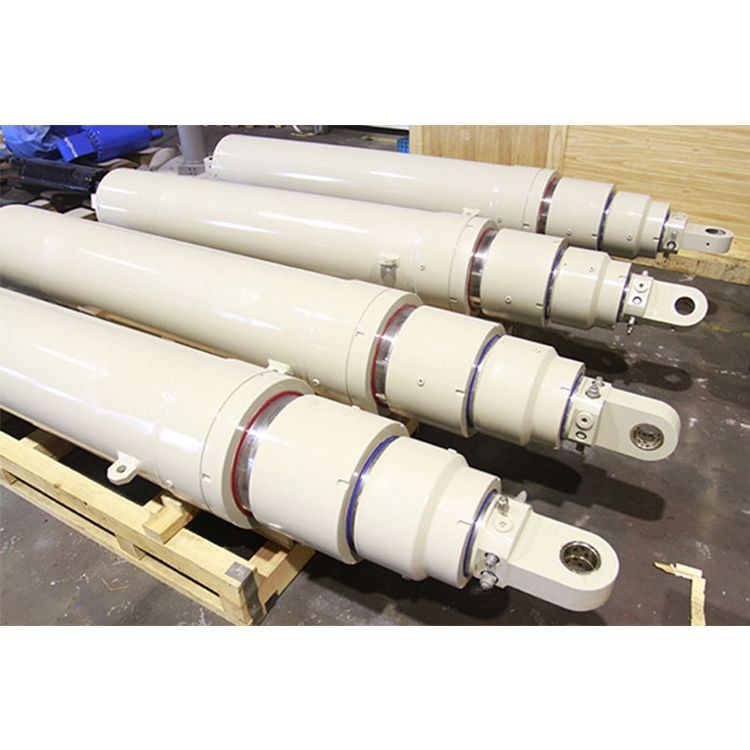
First off, let's quickly talk about what energy hydraulic cylinders are. These bad boys are essential components in various energy - related applications. Whether it's in Wave Power Cylinder systems that harness the power of the ocean, Gas and Oil Exploration and Drilling Cylinder for getting those precious resources out of the ground, or Solar Power Cylinder used in solar tracking systems, they play a crucial role.
They work by converting hydraulic energy into mechanical energy, which is then used to perform tasks like lifting, pushing, or pulling. But like any piece of machinery, they need proper care to keep them running smoothly.
Factors Affecting Maintenance Frequency
Operating Environment
One of the biggest factors that determine how often you should maintain your energy hydraulic cylinder is the operating environment. If your cylinder is working in a harsh environment, like an offshore oil rig where it's exposed to saltwater, high humidity, and extreme temperatures, it's going to need more frequent maintenance. Saltwater is highly corrosive, and it can eat away at the cylinder's components over time. High humidity can also cause rust and corrosion, which can lead to leaks and reduced performance.
On the other hand, if the cylinder is used in a relatively clean and controlled environment, like a solar power plant on land, the maintenance intervals can be a bit longer. The cleaner the environment, the less likely the cylinder is to get contaminated with dirt, dust, or other debris that can cause wear and tear.
Usage Intensity
How often and how hard the cylinder is used also matters a great deal. If it's in continuous operation, say in a 24/7 gas and oil drilling operation, it's going to experience more stress and wear compared to a cylinder that's used only occasionally. For cylinders that are used intensively, I'd recommend more frequent maintenance checks. You might need to do visual inspections every week, and a more in - depth maintenance service every few months.

For less intensively used cylinders, like those in some small - scale solar power applications where they only need to adjust the solar panels a few times a day, you can probably get away with less frequent maintenance. Maybe a visual check every month and a full maintenance service once or twice a year.
Quality of Components
The quality of the components used in the hydraulic cylinder also affects maintenance frequency. If you've got a high - quality cylinder with top - notch seals, pistons, and other parts, it's likely to last longer and require less maintenance. Cheaper components might wear out faster, leading to more frequent breakdowns and the need for more regular maintenance.
General Maintenance Intervals
Visual Inspections
Visual inspections are the first line of defense when it comes to maintaining your energy hydraulic cylinder. These are quick and easy checks that you can do regularly. I'd recommend doing a visual inspection at least once a week for cylinders in high - stress or harsh environments. Look for signs of leaks, cracks, or any visible damage to the cylinder body, piston rod, and seals.
For cylinders in less demanding environments, a monthly visual inspection should be sufficient. Just take a few minutes to walk around the cylinder and see if everything looks okay. If you notice any issues during these inspections, it's important to address them right away to prevent further damage.
Minor Maintenance
Minor maintenance involves tasks like checking the hydraulic fluid level and quality, inspecting the filters, and tightening any loose bolts or connections. For cylinders in continuous use, I'd suggest doing minor maintenance every 2 - 3 months. This helps to keep the system running smoothly and can catch small problems before they turn into big ones.
In less intensive applications, you can stretch this out to every 3 - 6 months. Changing the hydraulic fluid and filters at the recommended intervals is crucial. Old or contaminated fluid can cause excessive wear on the cylinder's internal components, so make sure you follow the manufacturer's guidelines for fluid change intervals.
Major Maintenance
Major maintenance is a more in - depth process that involves disassembling the cylinder, inspecting all the internal components for wear and damage, and replacing any parts that are worn out. For cylinders in harsh or high - usage environments, major maintenance should be done at least once a year. This ensures that the cylinder is in top - notch condition and can continue to perform its job effectively.
For cylinders in less demanding applications, you can do major maintenance every 2 - 3 years. However, if you notice any signs of significant wear or reduced performance during your visual or minor maintenance checks, you might need to do major maintenance sooner.
Importance of Regular Maintenance
Regular maintenance isn't just about keeping your energy hydraulic cylinder running; it's also about safety and cost - effectiveness. A well - maintained cylinder is less likely to fail unexpectedly, which can prevent costly downtime in your operations. In industries like gas and oil exploration, a single cylinder failure can halt an entire drilling operation, leading to huge financial losses.
Moreover, proper maintenance can extend the lifespan of your cylinder. By replacing worn - out parts in a timely manner and keeping the internal components clean and well - lubricated, you can get many more years of service out of your cylinder. This means you won't have to spend money on a new cylinder as often, saving you a significant amount of money in the long run.
Conclusion
So, to sum it up, there's no one - size - fits - all answer to how often an energy hydraulic cylinder should be maintained. It depends on the operating environment, usage intensity, and the quality of components. But by following the general guidelines I've mentioned above, you can keep your cylinder in good working condition and avoid costly breakdowns.
If you're in the market for a high - quality energy hydraulic cylinder or need more advice on maintenance, don't hesitate to reach out. We're here to help you find the right solution for your energy - related needs.
References
- Hydraulic Cylinder Handbook
- Industry standards for energy - related hydraulic equipment