


Oil viscosity plays a crucial role in the performance of energy hydraulic cylinders. As a leading supplier of energy hydraulic cylinders, we have witnessed firsthand how the right or wrong viscosity can make or break the efficiency and longevity of these essential components. In this blog post, we'll delve into the intricate relationship between oil viscosity and the performance of energy hydraulic cylinders, exploring the various factors at play and offering insights to help you make informed decisions.
Understanding Oil Viscosity
Viscosity is a measure of a fluid's resistance to flow. In the context of hydraulic systems, it refers to how thick or thin the hydraulic oil is. The viscosity of oil is typically measured in centistokes (cSt) at specific temperatures, usually 40°C and 100°C. A lower viscosity oil flows more easily, while a higher viscosity oil is thicker and offers more resistance to flow.
The viscosity of hydraulic oil is not a static property; it changes with temperature. As the temperature rises, the oil becomes thinner, and its viscosity decreases. Conversely, as the temperature drops, the oil thickens, and its viscosity increases. This temperature - viscosity relationship is described by the viscosity index (VI). A high VI oil maintains a more consistent viscosity over a wide range of temperatures, which is highly desirable in hydraulic systems.
Impact of Oil Viscosity on Energy Hydraulic Cylinder Performance
Lubrication
One of the primary functions of hydraulic oil is to lubricate the moving parts within the hydraulic cylinder. Proper lubrication reduces friction between the piston, rod, and cylinder walls, preventing wear and tear. When the oil viscosity is too low, it may not form an adequate lubricating film. This can lead to metal - to - metal contact, increased friction, and accelerated wear of the cylinder components. Over time, this can result in reduced cylinder performance, leaks, and ultimately, failure.
On the other hand, if the oil viscosity is too high, the oil may not flow smoothly to all the critical lubrication points. This can also lead to insufficient lubrication in some areas, causing uneven wear and potentially damaging the cylinder.
Seal Performance
Hydraulic cylinders rely on seals to prevent fluid leakage and maintain pressure. The viscosity of the oil affects the performance of these seals. A low - viscosity oil may seep through the seals more easily, leading to external and internal leaks. Internal leaks can cause a loss of pressure within the cylinder, reducing its force - generating capacity. External leaks not only waste oil but can also contaminate the surrounding environment.

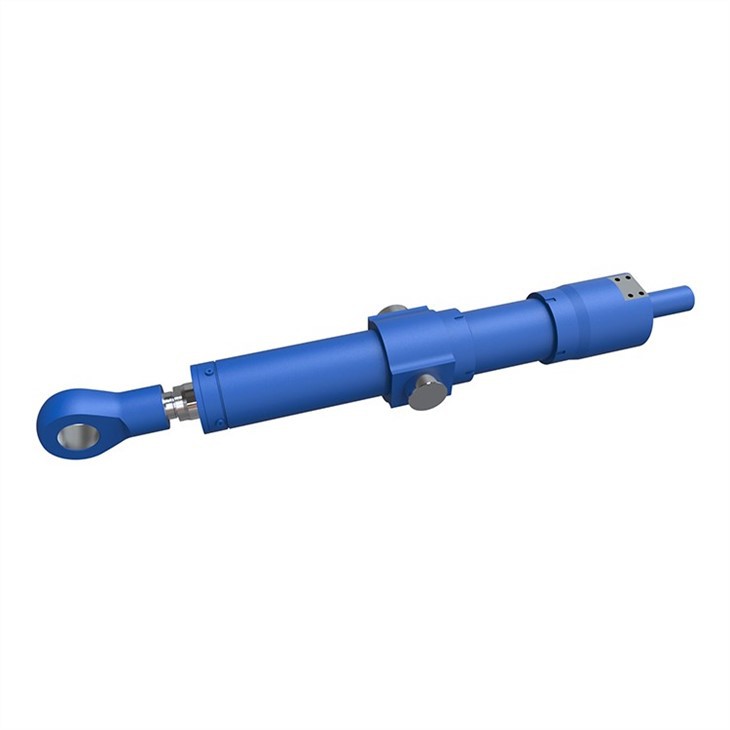
High - viscosity oil, however, can put additional stress on the seals. The thick oil may be more difficult for the seals to contain, and the increased pressure exerted by the thick oil can cause the seals to deform or fail prematurely.
Pump Efficiency
The hydraulic pump is responsible for generating the pressure required to operate the cylinder. Oil viscosity has a significant impact on pump efficiency. When the oil viscosity is too low, the pump may experience internal leakage. The thin oil can bypass the pump's internal components, reducing the amount of fluid that is effectively pumped. This results in a loss of pressure and reduced efficiency.
Conversely, high - viscosity oil requires more energy to pump. The pump has to work harder to move the thick oil through the system, which can lead to increased power consumption, overheating, and premature pump wear.
Response Time
The viscosity of the oil affects the response time of the hydraulic cylinder. A low - viscosity oil allows for faster movement of the piston within the cylinder because it flows more easily. This can be beneficial in applications where quick response times are required, such as in some high - speed industrial processes.
However, if the viscosity is too low, it can also cause instability in the cylinder's movement. The lack of sufficient damping provided by the oil can result in jerky or erratic motion. High - viscosity oil, on the other hand, can slow down the cylinder's response time, as it takes more time for the thick oil to flow into and out of the cylinder chambers.
Choosing the Right Oil Viscosity for Energy Hydraulic Cylinders
Selecting the appropriate oil viscosity for an energy hydraulic cylinder depends on several factors, including the operating temperature, the load requirements, and the speed of operation.
Operating Temperature
As mentioned earlier, the viscosity of oil changes with temperature. In applications where the operating temperature is relatively stable and within a narrow range, a lower VI oil may be sufficient. However, in environments with wide temperature variations, such as outdoor energy applications like Solar Power Cylinder or Wind Energy Hydraulic Cylinders, a high VI oil is recommended. This ensures that the oil maintains an appropriate viscosity throughout the temperature fluctuations.
Load Requirements
Heavy - load applications require a higher - viscosity oil to provide the necessary lubrication and support. The thicker oil can better withstand the high pressures generated by the heavy loads without breaking down or leaking. In contrast, light - load applications can often use a lower - viscosity oil, which offers better flow characteristics and reduced energy consumption.
Speed of Operation
For high - speed applications, a lower - viscosity oil is generally preferred to ensure quick response times. However, the viscosity should still be high enough to provide adequate lubrication. In low - speed applications, a higher - viscosity oil may be more suitable as it can provide better damping and stability.
Our Role as an Energy Hydraulic Cylinder Supplier
As an energy hydraulic cylinder supplier, we understand the critical role that oil viscosity plays in the performance of our products. We work closely with our customers to provide them with the right hydraulic cylinders for their specific applications and offer expert advice on oil selection.
We offer a range of energy hydraulic cylinders, including Solar Power Cylinder, Wind Energy Hydraulic Cylinders, and Wave Power Cylinder. Our cylinders are designed to work optimally with a variety of oil viscosities, and we can help you determine the best match for your system.
Conclusion
In conclusion, oil viscosity has a profound impact on the performance of energy hydraulic cylinders. From lubrication and seal performance to pump efficiency and response time, every aspect of the cylinder's operation is affected by the viscosity of the hydraulic oil. Choosing the right oil viscosity is essential for ensuring the long - term reliability and efficiency of your energy hydraulic system.
If you're in the market for energy hydraulic cylinders or need advice on oil selection, don't hesitate to reach out to us. We're here to help you make the best choices for your energy applications. Contact us today to start a discussion about your specific requirements and explore how our products can meet your needs.
References
- "Hydraulic System Design and Maintenance Handbook" by Hydraulic Institute.
- "Lubrication Fundamentals" by the Society of Tribologists and Lubrication Engineers (STLE).
- Technical literature from major hydraulic oil manufacturers.