


Hey there! As a supplier of energy hydraulic cylinders, I often get asked about how these nifty devices work. So, let's dive right in and break down the working principle of an energy hydraulic cylinder.
First off, what's an energy hydraulic cylinder? Well, it's a key component in many energy - related applications. You've got Wave Power Cylinder, which is used in wave energy conversion systems. Then there's the Solar Power Cylinder, playing a role in solar energy setups. And don't forget the Gas and Oil Exploration and Drilling Cylinder, crucial for the oil and gas industry.
The basic idea behind an energy hydraulic cylinder is pretty simple when you boil it down. It's all about using fluid power to generate mechanical force and motion. You see, a hydraulic cylinder is essentially a mechanical actuator. It converts the energy of pressurized hydraulic fluid into linear mechanical force and motion.
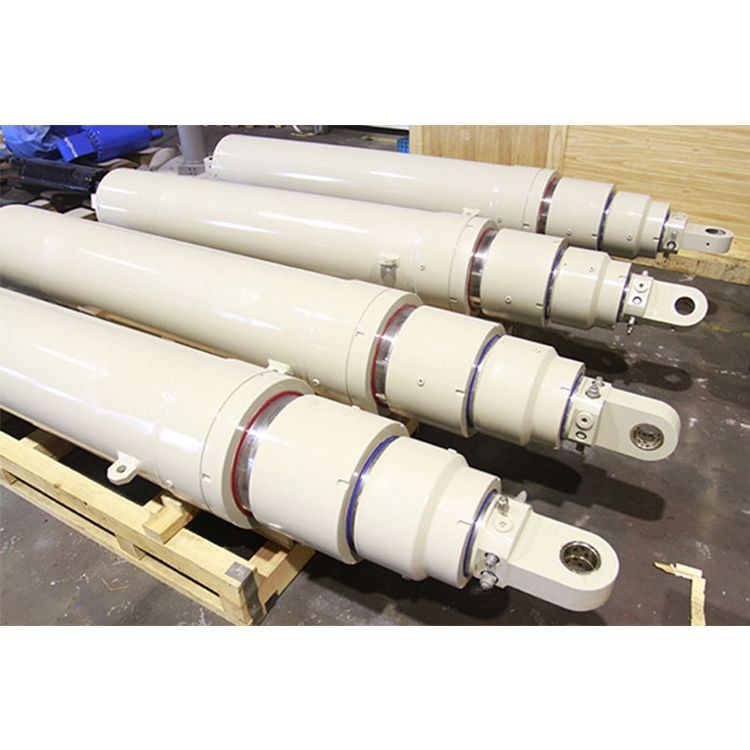
Let's start with the main parts of an energy hydraulic cylinder. There's the cylinder barrel, which is like the body of the cylinder. It's a strong, hollow tube where all the action happens. Inside the barrel, you've got a piston. The piston is a disk - shaped component that divides the cylinder into two chambers: the rod side and the cap side.
Attached to the piston is a piston rod. The piston rod extends out of the cylinder through one end. It's what transfers the force generated inside the cylinder to the external load. On the ends of the cylinder, there are end caps. These caps seal the cylinder and provide mounting points for the cylinder to be attached to other parts of the system.
Now, how does the fluid come into play? Well, we've got a hydraulic pump. The pump is responsible for creating the pressure in the hydraulic fluid. It sucks in the fluid from a reservoir and then pumps it into the cylinder. When the fluid is pumped into one of the chambers of the cylinder, it creates pressure against the piston.
Let's say the pump sends the pressurized fluid into the cap side of the cylinder. The pressure of the fluid pushes the piston towards the rod side. As the piston moves, it pushes the piston rod out of the cylinder. This extension of the piston rod can be used to perform work, like lifting a heavy load in a solar panel tracking system or moving a component in a wave power generation device.
Conversely, if the pump sends the pressurized fluid into the rod side of the cylinder, the piston gets pushed towards the cap side. This causes the piston rod to retract back into the cylinder. The ability to extend and retract the piston rod is what makes the hydraulic cylinder so useful in various energy applications.

One of the great things about energy hydraulic cylinders is their ability to generate a large amount of force. The force generated by a hydraulic cylinder can be calculated using a simple formula: Force = Pressure × Area. The area here refers to the cross - sectional area of the piston. So, if you increase the pressure of the hydraulic fluid or the area of the piston, you can increase the force output of the cylinder.
In the wave power industry, for example, energy hydraulic cylinders are used to capture the energy from ocean waves. The up - and - down motion of the waves is used to drive a hydraulic pump. The pump then pressurizes the hydraulic fluid and sends it to the cylinders. The cylinders can then convert this fluid power into mechanical energy, which can be used to generate electricity.
In solar power systems, hydraulic cylinders are used for solar panel tracking. Solar panels need to be oriented towards the sun to maximize their energy absorption. Hydraulic cylinders can be used to tilt and rotate the solar panels throughout the day, following the path of the sun. The pump in the system can be controlled based on the position of the sun, ensuring that the panels are always in the optimal position.
In gas and oil exploration and drilling, energy hydraulic cylinders are used for a variety of tasks. They can be used to lift heavy drilling equipment, control the movement of drill bits, and even operate valves in the wellhead. The high - force capabilities of hydraulic cylinders make them ideal for these heavy - duty applications.
Another important aspect of energy hydraulic cylinders is their control. There are various types of valves used to control the flow of hydraulic fluid in and out of the cylinder. Directional control valves are used to determine which chamber of the cylinder the fluid is sent to. This controls whether the piston rod extends or retracts. Flow control valves, on the other hand, are used to regulate the speed at which the piston moves. By adjusting the flow rate of the fluid, you can control how fast the piston rod extends or retracts.
Pressure control valves are also crucial. They ensure that the pressure in the hydraulic system stays within safe limits. If the pressure gets too high, it could damage the cylinder or other components in the system. The pressure control valves can relieve the excess pressure by diverting the fluid back to the reservoir.
Now, let's talk about the advantages of using energy hydraulic cylinders in energy applications. First of all, they offer high power density. That means they can generate a lot of force in a relatively small package. This is really important in energy systems where space is often limited.
They also provide smooth and precise control. You can control the speed, force, and direction of the cylinder's movement with a high degree of accuracy. This is essential in applications like solar panel tracking, where precise positioning is required.
Energy hydraulic cylinders are also very durable. They're designed to withstand high pressures and harsh operating conditions. In the oil and gas industry, for example, cylinders need to work in extreme environments, and hydraulic cylinders are up to the task.
However, like any technology, energy hydraulic cylinders also have some limitations. One of the main issues is the potential for fluid leaks. If there's a leak in the hydraulic system, it can lead to a loss of pressure and reduced performance. It can also be a safety hazard, especially in an oil and gas environment.
Another limitation is the need for regular maintenance. The hydraulic fluid needs to be changed periodically to keep the system clean and functioning properly. The seals in the cylinder also need to be inspected and replaced if they start to wear out.
In conclusion, energy hydraulic cylinders are a vital part of many energy - related industries. Their ability to convert fluid power into mechanical force and motion makes them indispensable in applications like wave power generation, solar power tracking, and gas and oil exploration.
If you're in the market for energy hydraulic cylinders for your project, whether it's a wave power system, a solar energy setup, or an oil and gas operation, we've got you covered. We're a leading supplier of high - quality energy hydraulic cylinders. Our cylinders are designed and manufactured to meet the highest standards of performance and reliability.
If you're interested in learning more about our products or have any questions about how energy hydraulic cylinders can work for your specific application, don't hesitate to reach out. We're here to help you find the perfect solution for your energy needs. Let's start a conversation and see how we can work together to make your project a success.
References
- "Hydraulic Systems and Fluid Power" by David Crolla
- "Introduction to Hydraulics and Pneumatics" by Joseph A. Scheidler