


Hey there! As a supplier of Energy Hydraulic Cylinders, I often get asked about the low - temperature performance requirements for these bad boys. So, I thought I'd take a deep dive into this topic and share my insights with you all.
Why Low - Temperature Performance Matters
First off, let's talk about why we even care about low - temperature performance. Energy hydraulic cylinders are used in a wide range of industries, from oil and gas exploration to wave power generation. In many of these applications, they might have to operate in extremely cold environments. For example, in the Arctic regions, where gas and oil exploration is taking place, temperatures can drop way below freezing. If the hydraulic cylinders can't handle these low temperatures, it can lead to all sorts of problems.
One of the main issues is the change in the properties of the hydraulic fluid. At low temperatures, the viscosity of the fluid increases. Viscosity is basically a measure of how thick a fluid is. When the fluid gets too thick, it becomes harder to pump through the cylinder. This can result in slower operation, reduced efficiency, and even damage to the pump and other components.
Another problem is the effect on the seals and o - rings in the cylinder. These rubber parts can become brittle in cold temperatures. When they're brittle, they're more likely to crack or break, which can lead to leaks. And leaks in a hydraulic system are a big no - no, as they can cause loss of pressure, reduced performance, and environmental hazards.
Key Low - Temperature Performance Requirements
Fluid Compatibility
The hydraulic fluid used in the cylinder is crucial for low - temperature performance. We need a fluid that has a low pour point. The pour point is the lowest temperature at which the fluid will still flow. A fluid with a low pour point will remain fluid even in very cold conditions, allowing the cylinder to operate smoothly.

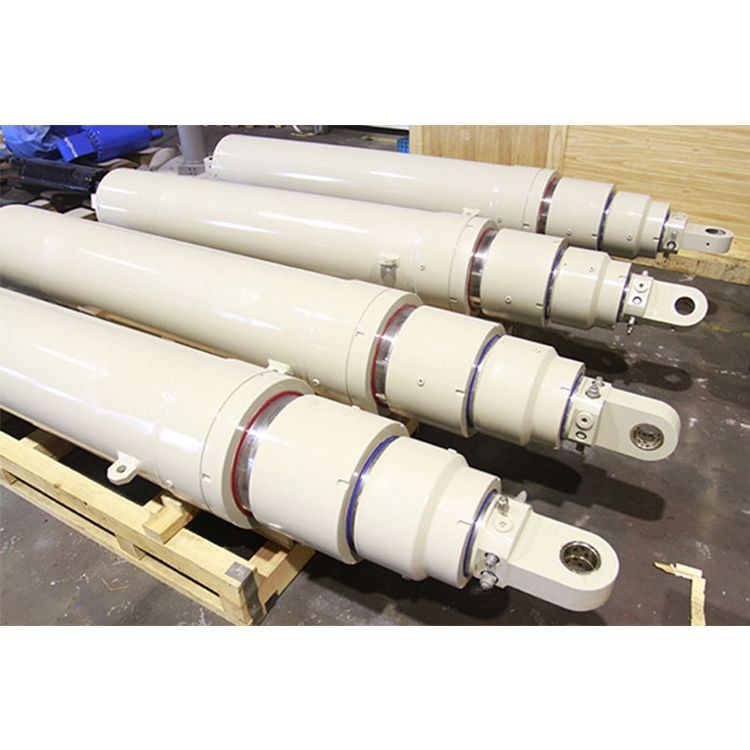
We also need to consider the fluid's viscosity - temperature relationship. A good hydraulic fluid should have a relatively stable viscosity over a wide range of temperatures. That way, whether it's hot or cold outside, the fluid will perform consistently.
Seal Material Selection
As I mentioned earlier, the seals and o - rings in the cylinder can be affected by low temperatures. So, we need to choose the right seal materials. Some rubber materials, like nitrile rubber, become very hard and brittle at low temperatures. On the other hand, materials like fluorocarbon rubber (Viton) and silicone rubber have better low - temperature flexibility. They can maintain their elasticity and sealing properties even in cold environments.
Cylinder Design
The design of the cylinder itself also plays a role in low - temperature performance. For example, we can use heaters or insulation to keep the cylinder and the fluid warm. Heaters can be installed around the cylinder to prevent the fluid from getting too cold, while insulation can help reduce heat loss.
We also need to ensure that the cylinder has proper drainage. In cold conditions, any water that gets into the cylinder can freeze. Frozen water can cause damage to the cylinder and its components. So, having a good drainage system is essential to prevent water accumulation.
Applications and Low - Temperature Requirements
Wave Power Cylinder
Wave power cylinders are used in wave energy converters to convert the energy of ocean waves into electrical energy. These cylinders often have to operate in cold seawater. The low - temperature performance requirements for Wave Power Cylinder are quite strict. The fluid needs to be able to flow easily in cold seawater, and the seals need to be resistant to the corrosive effects of saltwater as well as the cold.
Gas and Oil Exploration and Drilling Cylinder
In gas and oil exploration and drilling, cylinders are used in various equipment, such as drilling rigs and well - control systems. These operations can take place in extremely cold regions, like the Arctic. The Gas and Oil Exploration and Drilling Cylinder needs to be able to withstand the cold temperatures while maintaining high performance. The fluid and seals need to be carefully selected to ensure reliable operation in these harsh conditions.
Seawater Desalination Cylinder
Seawater desalination plants use hydraulic cylinders in the process of removing salt from seawater. These cylinders might be exposed to cold seawater, especially in coastal areas with cold climates. The Seawater Desalination Cylinder needs to have good low - temperature performance to ensure continuous and efficient operation of the desalination process.
Testing and Quality Assurance
To ensure that our energy hydraulic cylinders meet the low - temperature performance requirements, we conduct a series of tests. We test the cylinders in environmental chambers where we can simulate different temperatures and conditions. We measure the cylinder's operation, fluid flow, and seal integrity at various low temperatures.
We also work closely with our suppliers of hydraulic fluids and seal materials. We test their products in our cylinders to make sure they're compatible and perform well in cold conditions. By doing these tests, we can identify any potential issues early on and make the necessary adjustments to improve the cylinder's performance.
Conclusion
In conclusion, low - temperature performance is a critical aspect of energy hydraulic cylinders. Whether it's for wave power generation, gas and oil exploration, or seawater desalination, these cylinders need to be able to operate effectively in cold environments. By paying attention to fluid compatibility, seal material selection, and proper design, we can ensure that our cylinders meet the low - temperature performance requirements.
If you're in the market for energy hydraulic cylinders and need them to perform well in low - temperature conditions, don't hesitate to reach out. We're here to help you find the right solution for your specific needs. Let's start a conversation and see how we can work together to get you the best - performing cylinders for your application.
References
- Hydraulic Systems Handbook by Eugene F. Budynas
- Sealing Technology Handbook by E. R. Parker
- Fluid Power Technology by John F. Watton