


The performance of an energy hydraulic cylinder is intricately linked to the materials from which it is constructed. As a leading supplier of energy hydraulic cylinders, I've witnessed firsthand how different materials can significantly impact a cylinder's functionality, durability, and efficiency. In this blog, we'll explore how the choice of material affects the performance of energy hydraulic cylinders across various applications.
1. Material and Structural Integrity
The structural integrity of an energy hydraulic cylinder is crucial, especially in high - pressure environments. Different materials offer varying levels of strength and resistance to deformation.
Steel Alloys
Steel alloys are a popular choice for energy hydraulic cylinders due to their high strength and excellent fatigue resistance. For example, chrome - molybdenum steel is often used in cylinders designed for heavy - duty applications. Its high tensile strength allows the cylinder to withstand high pressures without permanent deformation. In gas and oil exploration and drilling operations, where cylinders are subjected to extreme forces, steel alloy cylinders are essential. The Gas and Oil Exploration and Drilling Cylinder we supply, made from high - quality steel alloys, can endure the harsh conditions of deep - sea drilling and on - shore exploration.
Aluminum Alloys
Aluminum alloys, on the other hand, are known for their lightweight properties. While they have lower strength compared to steel, they offer significant advantages in terms of weight savings. In applications where weight is a critical factor, such as in some wave power systems, aluminum alloy cylinders are preferred. Our Wave Power Cylinder made from aluminum alloys can be easily integrated into floating wave energy converters, reducing the overall weight of the system and improving its efficiency.
2. Corrosion Resistance
Energy hydraulic cylinders are often exposed to harsh environments, including saltwater, chemicals, and extreme temperatures. Corrosion can severely compromise the performance and lifespan of a cylinder.
Stainless Steel
Stainless steel is an excellent choice for applications where corrosion resistance is a top priority. It contains chromium, which forms a passive oxide layer on the surface, protecting the metal from rust and corrosion. In solar power plants, where cylinders may be exposed to the elements for extended periods, stainless steel cylinders are a reliable option. Our Solar Power Cylinder made from stainless steel can withstand long - term exposure to sunlight, rain, and temperature variations without corroding.

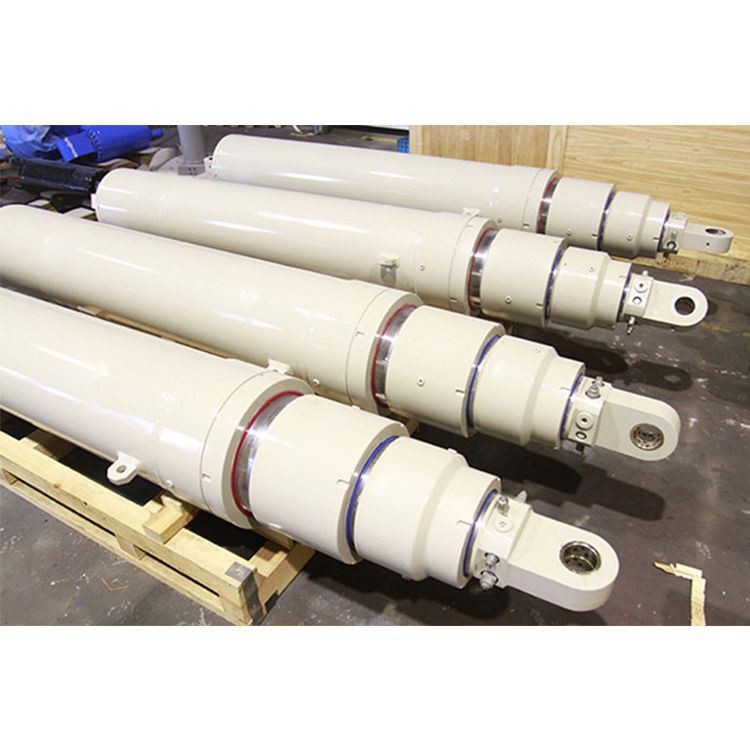
Coated Materials
In addition to using corrosion - resistant materials, coatings can also be applied to enhance the cylinder's resistance to corrosion. For example, epoxy coatings can provide an extra layer of protection for steel cylinders in marine environments. These coatings act as a barrier between the metal and the corrosive elements, preventing rust and degradation.
3. Friction and Wear
The friction between the piston and the cylinder wall can affect the efficiency and performance of an energy hydraulic cylinder. Different materials have different coefficients of friction, which can impact the smooth operation of the cylinder.
Bronze
Bronze is often used for piston rings and bushings in hydraulic cylinders due to its low coefficient of friction and excellent wear resistance. It can reduce the amount of energy lost due to friction, improving the overall efficiency of the cylinder. In high - speed applications, bronze components can help maintain a smooth and consistent operation, reducing the risk of premature wear and failure.
Composite Materials
Composite materials are also being increasingly used in energy hydraulic cylinders to reduce friction and wear. These materials can be engineered to have specific properties, such as high strength and low friction. They can be used in critical areas of the cylinder, such as the piston and rod seals, to improve performance and extend the service life of the cylinder.
4. Thermal Conductivity
Thermal conductivity is an important factor in energy hydraulic cylinders, especially in applications where the cylinder is subjected to high - temperature environments.
Copper Alloys
Copper alloys have high thermal conductivity, which allows them to dissipate heat quickly. In some energy - intensive applications, such as in large - scale hydraulic power systems, copper alloy components can help prevent overheating and ensure the stable operation of the cylinder. However, copper alloys are relatively soft compared to steel, so they may need to be used in combination with other materials to provide the necessary strength.
5. Cost - Performance Ratio
The choice of material also depends on the cost - performance ratio. While high - performance materials may offer superior properties, they can also be more expensive.
Material Selection for Different Budgets
For cost - sensitive projects, more common materials such as carbon steel may be a suitable choice. Carbon steel offers a good balance between strength and cost, making it a popular option for many energy hydraulic cylinder applications. However, for projects where performance is critical and cost is less of a concern, high - end materials such as titanium alloys may be considered. Titanium alloys have excellent strength - to - weight ratio and corrosion resistance, but they are significantly more expensive than steel or aluminum.
Conclusion
As an energy hydraulic cylinder supplier, I understand that the choice of material is a critical decision that can have a profound impact on the performance of the cylinder. Different materials offer different advantages in terms of strength, corrosion resistance, friction, thermal conductivity, and cost. By carefully considering the specific requirements of each application, we can select the most appropriate material to ensure the optimal performance and longevity of the energy hydraulic cylinder.
If you are in need of energy hydraulic cylinders for your project, whether it's for gas and oil exploration, wave power, solar power, or other energy - related applications, please feel free to contact us for a detailed consultation. We have a wide range of products made from different materials to meet your specific needs. Let's work together to find the best solution for your energy hydraulic cylinder requirements.
References
- ASM Handbook Committee. (2004). ASM Handbook, Volume 1: Properties and Selection: Irons, Steels, and High - Performance Alloys. ASM International.
- Shigley, J. E., Mischke, C. R., & Budynas, R. G. (2004). Mechanical Engineering Design. McGraw - Hill.
- Hydraulic Institute. (2012). ANSI/HI 9.6.7 Rotodynamic Pumps - Guideline for NPSH Margin. Hydraulic Institute.