


Yo! I'm a supplier of Energy Hydraulic Cylinders, and I often get asked if these bad boys can be used in low - temperature environments. Well, let's dive right into it and break it down.
First off, what are energy hydraulic cylinders? They're these super - important components used in a bunch of energy - related industries. For instance, in Gas and Oil Exploration and Drilling Cylinder, they play a crucial role in the drilling process. In wave power generation, Wave Power Cylinder helps convert the kinetic energy of waves into useful mechanical energy. And when it comes to seawater desalination, Seawater Desalination Cylinder is used to maintain the pressure required for the desalination process.
Now, let's talk about low - temperature environments. These can range from the cold polar regions to industrial freezers. In these places, the temperature can drop well below freezing, and that brings a whole set of challenges for any equipment, including energy hydraulic cylinders.
One of the main issues in low - temperature environments is the change in the properties of the hydraulic fluid. Hydraulic fluid is like the lifeblood of a hydraulic cylinder. It transfers power and lubricates the moving parts. But at low temperatures, the viscosity of the fluid increases. You can think of it like honey. When it's cold, honey becomes thick and sticky, and it doesn't flow easily. The same thing happens to hydraulic fluid. As the viscosity goes up, the fluid has a harder time flowing through the cylinder's passages and valves. This can lead to slower operation of the cylinder, and in some cases, it might even cause the cylinder to stop working altogether.
Another problem is the contraction of materials. All materials contract when they get cold, and the components of an energy hydraulic cylinder are no exception. The metal parts of the cylinder, like the piston rod and the cylinder barrel, will shrink. If the different parts of the cylinder contract at different rates, it can cause misalignment. This misalignment can lead to increased wear and tear on the seals and other internal components. And when the seals start to wear out, hydraulic fluid can leak, which not only reduces the efficiency of the cylinder but can also be a safety hazard.
But here's the good news. We've come a long way in making energy hydraulic cylinders that can handle low - temperature environments. One of the solutions is to use special hydraulic fluids designed for cold temperatures. These fluids have a lower viscosity at low temperatures, which means they can flow more easily. They also have good anti - wear and anti - corrosion properties, which help protect the internal components of the cylinder.

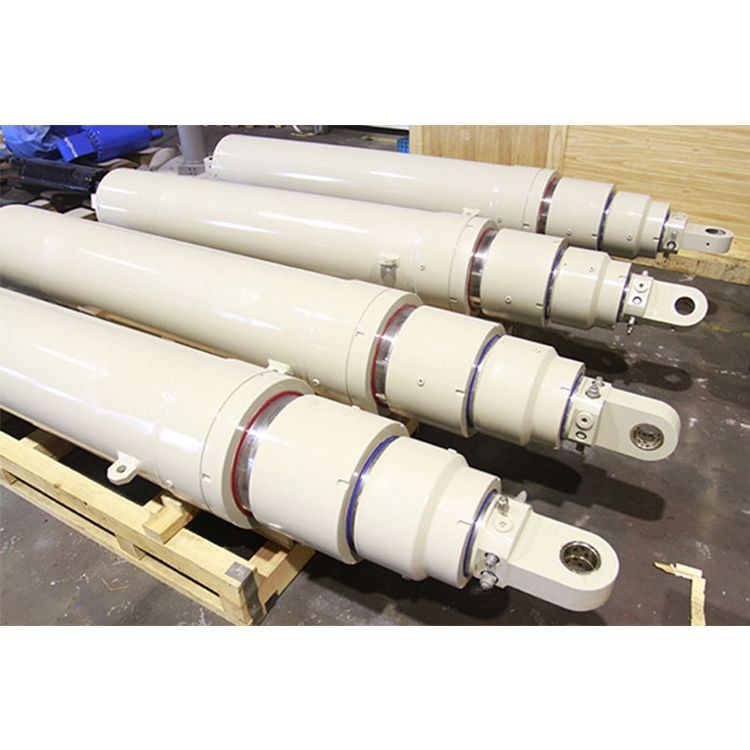
We also use high - quality materials in the construction of our cylinders. For example, we select metals that have a low coefficient of thermal expansion. This means that they don't contract as much when the temperature drops, reducing the risk of misalignment. Additionally, we use advanced sealing technologies. These seals are made from materials that can withstand the cold and maintain their flexibility. They prevent hydraulic fluid from leaking even in extreme cold conditions.
Let's take a look at some real - world examples. In the oil and gas industry, drilling operations often take place in cold regions like the Arctic. Energy hydraulic cylinders used in these operations need to be able to function properly in extremely low temperatures. Our cylinders have been tested and proven to work well in these harsh conditions. They can handle the high pressures and the cold temperatures, ensuring that the drilling process runs smoothly.
In the wave power industry, some wave farms are located in areas where the water temperature can get quite cold. The Wave Power Cylinder needs to be reliable in these conditions to convert the wave energy efficiently. Our cylinders are designed to withstand the cold water temperatures and the constant motion of the waves.
When it comes to seawater desalination plants in cold coastal areas, the Seawater Desalination Cylinder is crucial for maintaining the pressure required for the desalination process. Our cylinders can operate effectively in these low - temperature environments, ensuring a continuous supply of fresh water.
However, it's not just about the design and materials. Proper maintenance is also key. In low - temperature environments, it's important to regularly check the hydraulic fluid levels and the condition of the seals. If the fluid is getting too thick, it might need to be changed. And if the seals are showing signs of wear, they should be replaced promptly.
In conclusion, energy hydraulic cylinders can be used in low - temperature environments, but it requires the right design, materials, and maintenance. We, as a supplier, have the expertise and the technology to provide you with high - quality energy hydraulic cylinders that can handle the cold. Whether you're in the gas and oil exploration, wave power, or seawater desalination industry, we've got the solution for you.
If you're interested in our energy hydraulic cylinders and want to learn more about how they can work in your low - temperature environment, don't hesitate to reach out. We're here to help you with your procurement needs and have a detailed discussion about how our products can meet your specific requirements.
References
- Engineering Handbook on Hydraulic Systems
- Research Papers on Cold - Weather Hydraulic Equipment Performance