


Quality control is a big deal when it comes to making mining hydraulic cylinders. As a supplier in this industry, I've seen firsthand how crucial it is to have solid quality control measures in place. In this blog, I'll share some of the key steps we take to ensure the high - quality production of our mining hydraulic cylinders.
Raw Material Inspection
The first step in quality control starts right at the source: the raw materials. We only work with trusted suppliers who can provide high - grade steel and other necessary materials. Before we even start the manufacturing process, every batch of raw materials goes through a thorough inspection.
We check the chemical composition of the steel to make sure it meets our strict standards. For example, the carbon content, which affects the strength and hardness of the cylinder, must be within a specific range. We also look at the physical properties like the tensile strength and ductility. If any batch fails to meet these requirements, it's sent back to the supplier immediately. This might seem like a hassle, but it's essential to prevent any potential issues down the line.
Precision Machining
Once we've got the approved raw materials, it's time for machining. Precision is key here. We use advanced CNC (Computer Numerical Control) machines to cut, drill, and shape the components of the hydraulic cylinders. These machines can work with incredibly high accuracy, ensuring that every part is made to the exact specifications.
During the machining process, we have in - process inspections. Our quality control team checks the dimensions of the machined parts regularly. They use tools like calipers, micrometers, and coordinate measuring machines (CMMs). If a part's dimensions are off even by a tiny amount, we'll either adjust the machining parameters or scrap the part if it can't be corrected. This attention to detail helps us avoid problems such as leaks or poor performance in the final product.
Welding Quality
Welding is another critical aspect of manufacturing mining hydraulic cylinders. A bad weld can compromise the structural integrity of the cylinder and lead to failures in the field. That's why we have highly skilled welders on our team, and they follow strict welding procedures.
Before welding, the surfaces to be joined are carefully cleaned and prepared. We use the appropriate welding techniques and filler materials based on the type of steel and the design requirements. After welding, non - destructive testing methods are used to inspect the welds. We use techniques like ultrasonic testing (UT) and magnetic particle testing (MT) to detect any internal or surface defects in the welds. If a weld has a defect, it's repaired or, in some cases, the part is re - welded from scratch.
Surface Treatment
Surface treatment is important for protecting the hydraulic cylinders from corrosion and wear. We offer different surface treatment options, such as chrome plating and painting.
When it comes to chrome plating, we have a strict process to ensure a uniform and high - quality coating. The parts are first thoroughly cleaned and then immersed in a chrome plating bath. The plating thickness is carefully controlled to meet the design requirements. After plating, we check the surface finish and the adhesion of the chrome layer.
For painting, we use high - quality paints that are resistant to the harsh mining environment. The parts are pre - treated to ensure good paint adhesion, and multiple coats are applied. Our quality control team checks the paint thickness, color, and appearance to make sure it meets our standards.
Assembly and Testing
Once all the components are ready, it's time for assembly. Our assembly line workers follow a detailed assembly procedure to ensure that every part is installed correctly. They use torque wrenches to tighten the bolts to the specified torque values, which is crucial for preventing leaks and ensuring proper functioning.
After assembly, the hydraulic cylinders go through a series of tests. We perform pressure tests to check for leaks and to verify that the cylinders can withstand the specified operating pressures. We also do functional tests to make sure the cylinders extend and retract smoothly and perform as expected. These tests are done under simulated mining conditions as closely as possible to replicate real - world usage.
Documentation and Traceability
Throughout the production process, we keep detailed records. Every step, from raw material inspection to the final testing, is documented. This documentation helps us track the history of each cylinder and provides evidence of its quality.
We also have a traceability system in place. Each cylinder is assigned a unique serial number, and we can trace back all the information related to that cylinder, including the raw material batch, machining parameters, welding records, and test results. This traceability is not only useful for quality control but also for after - sales service. If there's an issue with a cylinder in the field, we can quickly access all the relevant information to diagnose and solve the problem.

Our Product Range
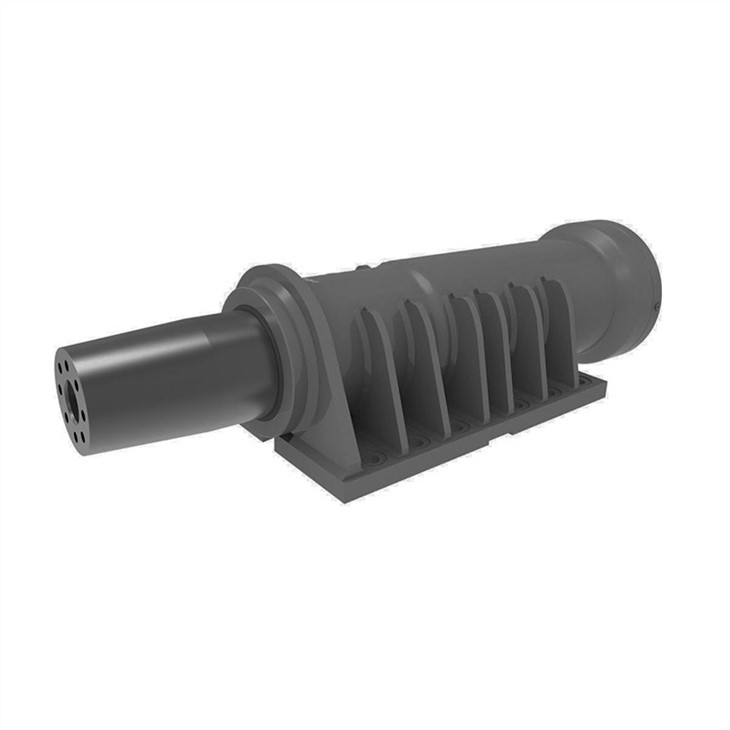
We offer a wide range of mining hydraulic cylinders, including the Mining Dump Trucks Cylinder and the Drill Adjust Hydraulic Cylinder for Coal Mine. These products are designed to meet the specific needs of the mining industry and are built with the same high - quality standards and strict quality control measures I've mentioned above.
Conclusion
In conclusion, quality control in the production of mining hydraulic cylinders is a multi - step process that involves careful attention to every detail, from raw materials to the final testing. By implementing these quality control measures, we can ensure that our products are reliable, durable, and perform well in the harsh mining environment.
If you're in the market for high - quality mining hydraulic cylinders, we'd love to talk to you. Whether you need a standard product or a custom - designed solution, our team is ready to assist you. Reach out to us to start a conversation about your requirements and let's see how we can work together to meet your needs.
References
- ASME (American Society of Mechanical Engineers) standards for pressure vessels and piping.
- AWS (American Welding Society) welding codes and standards.
- ISO (International Organization for Standardization) quality management system standards.