


Hey there! I'm an Excavator Hydraulic Cylinder supplier, and today I want to chat about a super important topic: What are the possible consequences of overloading an excavator hydraulic cylinder?
First off, let me give you a bit of background. As an excavator hydraulic cylinder supplier, I've seen firsthand the impact that overloading can have on these essential components. Excavators are some pretty powerful machines, and their hydraulic cylinders play a key role in making them work. From digging and lifting to moving heavy loads, these cylinders are the muscle behind the operation.
But what happens when you overload them? Well, there are quite a few things to consider.
1. Structural Damage
One of the most immediate consequences of overloading an excavator hydraulic cylinder is structural damage. These cylinders are designed to handle a certain amount of pressure and load. When you push them beyond their limits, the internal components can start to take a beating.

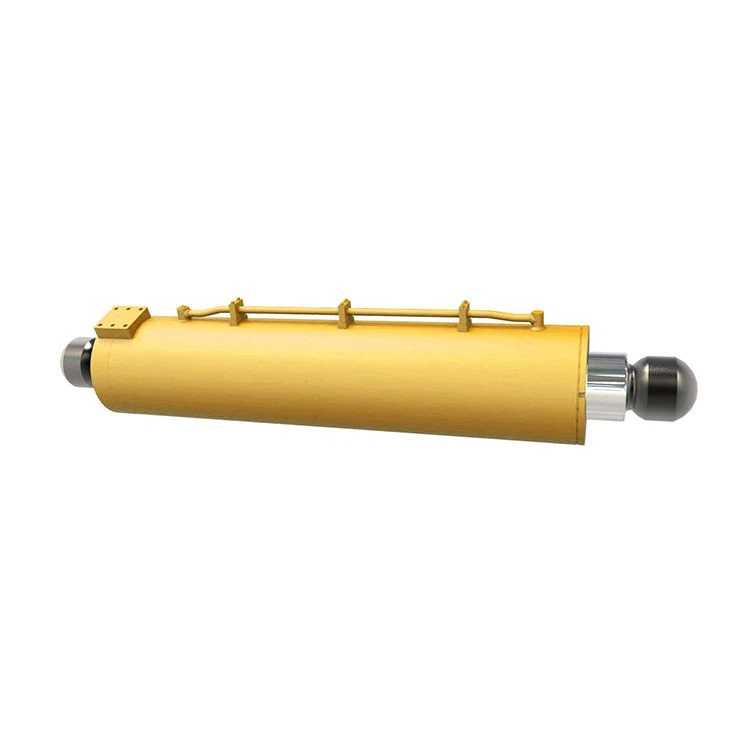
For example, the piston rod, which is a crucial part of the hydraulic cylinder, can bend or crack under excessive stress. This not only affects the performance of the cylinder but can also lead to complete failure. A bent piston rod won't be able to move smoothly within the cylinder, causing uneven wear and tear on other components.
The cylinder barrel itself can also be severely damaged. Overloading can cause the barrel to bulge or deform, which means it won't be able to hold the hydraulic fluid properly. This leads to leaks and a loss of pressure, making the excavator less efficient and potentially dangerous to operate.
2. Seal Failure
Another big issue that comes with overloading is seal failure. The seals in an excavator hydraulic cylinder are responsible for keeping the hydraulic fluid inside the cylinder and preventing leaks. When you overload the cylinder, the pressure can cause the seals to break down.
Once the seals fail, hydraulic fluid starts to leak out. Not only is this a waste of the fluid, but it can also create a mess on the job site. More importantly, a loss of hydraulic fluid means a loss of pressure, which can impact the performance of the excavator. You might notice that the actuator is slower to respond or doesn't have the same lifting power as before.
In addition, seal failure can also allow contaminants to enter the cylinder. Dirt, dust, and debris can get inside and cause further damage to the internal components, leading to more frequent breakdowns and expensive repairs.
3. Increased Wear and Tear
Overloading an excavator hydraulic cylinder significantly increases the wear and tear on all its parts. As I mentioned earlier, the piston rod and cylinder barrel can be damaged, but other components like the bearings and valves are also affected.
The increased stress causes these parts to wear out faster than normal. Bearings that are designed to last for thousands of hours might start to fail after just a few hundred hours of overloading. This means you'll have to replace these parts more often, which can be a costly and time-consuming process.
Moreover, the wear and tear on these components can also affect the overall performance of the excavator. The machine might become less precise in its movements, and you could experience more vibration and noise during operation.
4. Safety Risks
Beyond the damage to the hydraulic cylinder itself, overloading also poses serious safety risks. When an excavator's hydraulic system fails due to overloading, it can lead to a sudden loss of control. For example, if the cylinder fails while lifting a heavy load, the load could fall unexpectedly, endangering the operator and anyone in the vicinity.
In addition, a damaged hydraulic cylinder can also cause the excavator to become unstable. Uneven pressure or leaks can throw off the balance of the machine, increasing the risk of tip - overs. This is especially dangerous when working on uneven terrain or in confined spaces.
5. Reduced Efficiency and Productivity
An overloaded hydraulic cylinder can really put a damper on the efficiency and productivity of your excavator. As the cylinder starts to malfunction, the machine will take longer to complete tasks. You might have to stop the operation frequently to deal with leaks, failed components, or other issues caused by the overloading.
This not only slows down the job but also increases the overall cost of the project. You'll have to spend more on repairs and replacement parts, and you might even miss deadlines due to the reduced productivity.
So, how can you avoid overloading an excavator hydraulic cylinder? Well, it's all about proper operation and maintenance. Make sure the operators are trained to understand the limits of the machine and never push it beyond its capacity. Regular maintenance checks are also essential to catch any signs of wear or damage early on.
At our supply business, we offer high - quality Excavator Hydraulic Cylinder that are designed to withstand heavy use. But even the best - built cylinders can fail if they're overloaded. That's why we also provide advice and support on proper operation and maintenance to ensure our customers get the most out of their equipment.
If you're in the market for other types of hydraulic cylinders, we've got you covered. We offer Hydraulic Cylinder for Shield Tunneling Machine and Construction Engineering Hydraulic Cylinder, all of which are built to the highest standards.
If you're interested in learning more about our products or need some help with your hydraulic cylinder needs, don't hesitate to reach out for a purchase consultation. We're here to help you keep your excavators running smoothly and efficiently.
References
- "Hydraulic Cylinder Technology Handbook"
- "Excavator Operation and Maintenance Guide"