


What are the filtration requirements for the hydraulic oil in mining hydraulic cylinders?
As a trusted supplier of mining hydraulic cylinders, I've witnessed firsthand the critical role that hydraulic oil filtration plays in the efficient and reliable operation of our products. Mining environments are harsh, and hydraulic cylinders in these settings are subjected to extreme conditions, including high pressures, heavy loads, and exposure to contaminants. Ensuring the proper filtration of hydraulic oil is essential for maintaining the performance and longevity of mining hydraulic cylinders.
The Importance of Hydraulic Oil Filtration
Hydraulic oil serves as the lifeblood of hydraulic systems, transmitting power, lubricating moving parts, and dissipating heat. However, in a mining environment, the oil can quickly become contaminated with various particles, such as dust, dirt, metal shavings, and water. These contaminants can cause significant damage to the hydraulic cylinders and other components of the system if not properly removed.
Contaminated hydraulic oil can lead to a range of problems, including:
- Wear and tear: Particles in the oil can act as abrasives, causing premature wear on the cylinder's seals, pistons, and other internal components. This can lead to leaks, reduced efficiency, and ultimately, system failure.
- Valve malfunction: Contaminants can clog valves and other control components, preventing them from operating correctly. This can result in erratic cylinder movement, reduced precision, and potential safety hazards.
- Overheating: When the oil is contaminated, it can lose its ability to dissipate heat effectively. This can cause the system to overheat, leading to further damage to the components and potentially triggering safety shutdowns.
By implementing effective filtration systems, we can prevent these issues and ensure the reliable operation of mining hydraulic cylinders. Filtration helps to remove contaminants from the oil, maintaining its cleanliness and viscosity, and extending the life of the system.
Filtration Requirements for Mining Hydraulic Cylinders
The filtration requirements for mining hydraulic cylinders depend on several factors, including the type of mining operation, the specific application of the cylinders, and the environmental conditions. However, there are some general guidelines that can be followed to ensure proper filtration.
Particle Size and Rating
One of the most important aspects of hydraulic oil filtration is the ability to remove particles of a specific size. The particle size rating of a filter indicates the smallest particle that the filter can effectively remove from the oil. In mining applications, filters with a high particle size rating are typically required to remove the large amounts of dust and dirt that are present in the environment.
Most mining hydraulic systems require filters with a particle size rating of at least 10 microns. However, for more demanding applications, such as those involving high-pressure cylinders or precision control systems, filters with a rating of 5 microns or less may be necessary.
Filtration Efficiency
In addition to particle size rating, the filtration efficiency of a filter is also an important consideration. Filtration efficiency refers to the percentage of particles of a specific size that the filter can remove from the oil. A filter with a high filtration efficiency will remove a greater percentage of particles, providing better protection for the hydraulic system.
For mining hydraulic cylinders, filters with a filtration efficiency of at least 99% are typically recommended. This ensures that the majority of contaminants are removed from the oil, reducing the risk of wear and damage to the components.
Flow Rate
The flow rate of a filter is another important factor to consider. The flow rate refers to the amount of oil that can pass through the filter per unit of time. In mining applications, where high volumes of oil are often required to operate the hydraulic cylinders, filters with a high flow rate are necessary to ensure that the system can function effectively.
When selecting a filter, it is important to choose one that can handle the flow rate of the hydraulic system. A filter with a flow rate that is too low may cause restrictions in the oil flow, leading to reduced performance and potential overheating.
Pressure Drop
The pressure drop across a filter is the difference in pressure between the inlet and outlet of the filter. A high pressure drop can indicate that the filter is clogged or that it is not able to handle the flow rate of the system. In mining hydraulic systems, a high pressure drop can cause the pump to work harder, increasing energy consumption and potentially leading to premature wear on the components.
When selecting a filter, it is important to choose one that has a low pressure drop. This ensures that the filter can operate efficiently without causing excessive strain on the system.
Types of Filtration Systems
There are several types of filtration systems that can be used in mining hydraulic cylinders, each with its own advantages and disadvantages. The most common types of filtration systems include:
In-Line Filters
In-line filters are installed directly in the hydraulic line, between the pump and the cylinder. These filters are designed to remove contaminants from the oil as it flows through the system. In-line filters are typically the most common type of filtration system used in mining hydraulic cylinders, as they are relatively easy to install and maintain.
Off-Line Filters
Off-line filters, also known as kidney loop filters, are installed separately from the main hydraulic system. These filters are designed to continuously circulate a small amount of oil through a separate filtration circuit, removing contaminants from the oil before it is returned to the main system. Off-line filters are often used in conjunction with in-line filters to provide additional protection for the hydraulic system.
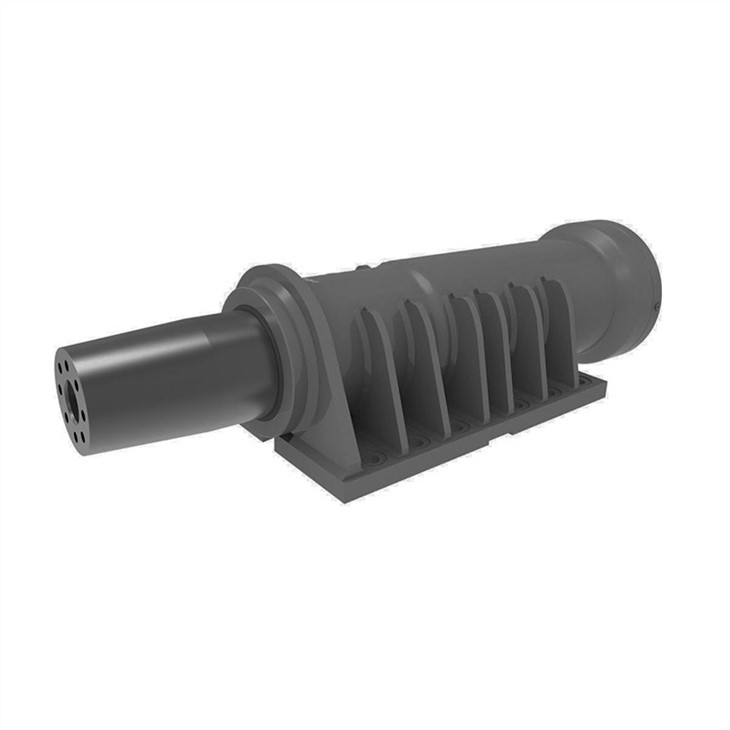

Suction Filters
Suction filters are installed on the suction side of the hydraulic pump. These filters are designed to prevent large particles from entering the pump, protecting it from damage. Suction filters are typically used in combination with other types of filters to provide comprehensive filtration for the hydraulic system.
Our Products and Filtration Solutions
At our company, we offer a wide range of mining hydraulic cylinders, including the Drill Adjust Hydraulic Cylinder for Coal Mine and the Mining Dump Trucks Cylinder. Our cylinders are designed to meet the demanding requirements of the mining industry, and we understand the importance of proper hydraulic oil filtration.
We work closely with our customers to provide customized filtration solutions that are tailored to their specific needs. Our team of experts can help you select the right filters for your hydraulic system, based on factors such as particle size rating, filtration efficiency, flow rate, and pressure drop. We also offer installation and maintenance services to ensure that your filtration system is operating effectively.
Contact Us for Procurement and Consultation
If you are in the market for high-quality mining hydraulic cylinders or need assistance with hydraulic oil filtration, we encourage you to contact us. Our experienced team is ready to answer your questions, provide detailed product information, and discuss your specific requirements. We are committed to providing our customers with the best possible products and services, and we look forward to the opportunity to work with you.
References
- Fluid Power Handbook, Edited by Peter R. Duffey, 2nd Edition, Elsevier Butterworth-Heinemann, 2008.
- Hydraulic Systems and Components: Fundamentals, Calculations, Design, and Application, by Dr. Horst Hergeth, Springer-Verlag Berlin Heidelberg, 2013.
- ISO 4406:2017 - Hydraulic fluid power - Fluids - Method for coding the level of contamination by solid particles.