


Yo folks! I'm an excavator hydraulic cylinder supplier, and today I wanna talk about how to diagnose a problem with the hydraulic cylinder's control valve in an excavator. It's a common issue that can cause all sorts of headaches on the job site, but with the right know - how, you can get it sorted out pretty quickly.
Understanding the Basics
First off, let's have a quick look at what the control valve does. It's like the traffic cop of the hydraulic system in an excavator. It directs the flow of hydraulic fluid to different parts of the hydraulic cylinder, which in turn makes the boom, arm, and bucket move. When it starts acting up, the excavator's performance can go downhill fast.
Signs of a Problematic Control Valve
There are a few tell - tale signs that your control valve might be having issues. One of the most obvious ones is erratic movement of the excavator's parts. If the boom jerks when you're trying to lift it smoothly, or the bucket doesn't move at all when you hit the controls, there's a good chance the control valve is to blame.
Another sign is a drop in power. If the excavator seems to be struggling to do tasks that it used to handle with ease, it could be related to the control valve not allowing the right amount of hydraulic fluid to reach the cylinders.
You might also notice strange noises coming from the hydraulic system. A hissing or rattling sound could indicate a leak or a blockage in the control valve. And let's not forget about leaks. If you see hydraulic fluid pooling around the control valve, it's definitely a red flag.
Diagnostic Steps
Step 1: Visual Inspection
The first thing you wanna do is give the control valve a good visual once - over. Look for any signs of damage, like cracks or dents. Check the connections to make sure they're tight and there are no loose hoses. Sometimes, a simple loose connection can cause problems that seem much more serious.
Look at the seals as well. Over time, seals can wear out and start leaking. If you see signs of fluid around the seals, they probably need to be replaced.
Step 2: Check the Hydraulic Fluid
The quality and quantity of the hydraulic fluid are crucial for the proper functioning of the control valve. Low fluid levels can cause the valve to work inefficiently or even damage it. So, check the fluid level in the reservoir. If it's low, top it up with the recommended type of hydraulic fluid.
Also, examine the fluid's color and clarity. If it looks dirty or has a milky appearance, it might be contaminated. Contaminated fluid can clog the control valve and affect its performance. In this case, you'll need to flush the system and replace the fluid.
Step 3: Pressure Testing
Pressure testing is a key step in diagnosing control valve problems. You'll need a pressure gauge to do this. Connect the gauge to the appropriate ports on the control valve as per the excavator's manual.
Start the excavator and operate the controls to get the hydraulic system working. Check the pressure readings on the gauge. Compare them to the manufacturer's specifications. If the pressure is too high or too low, it indicates a problem with the control valve. High pressure could be due to a blockage, while low pressure might mean there's a leak or the valve isn't opening properly.
Step 4: Test the Electrical Components
Many control valves in modern excavators are electronically controlled. So, it's important to check the electrical components too. Look for any loose wires, damaged connectors, or faulty sensors. A malfunctioning sensor can send incorrect signals to the control valve, causing it to behave erratically.

You can use a multimeter to test the electrical connections and make sure there's proper continuity. If you find any issues with the electrical components, you'll need to repair or replace them.
When to Seek Professional Help
Sometimes, diagnosing and fixing control valve problems can be tricky, especially if you're not experienced with hydraulic systems. If you've gone through all the diagnostic steps and still can't figure out what's wrong, or if you're not comfortable making repairs on your own, it's a good idea to call in a professional.
A professional hydraulic technician has the expertise and specialized tools to accurately diagnose and fix complex problems. They can also provide you with advice on how to maintain your hydraulic system to prevent future issues.
Related Products
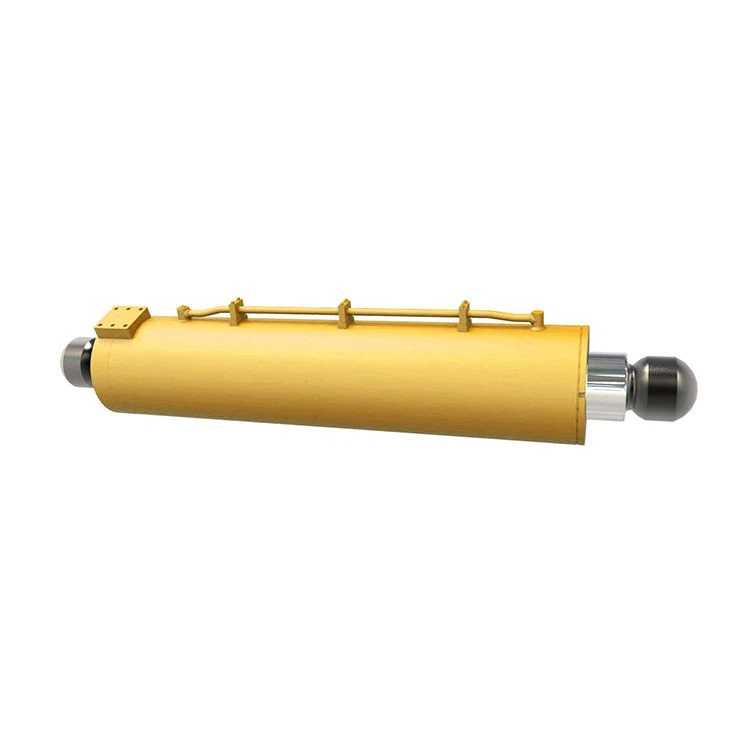
Hey, if you're in the market for new hydraulic cylinders, we've got some great options. Check out our Construction Engineering Hydraulic Cylinder, Vertical Mills Cylinder, and Hydraulic Cylinder for Shield Tunneling Machine. These cylinders are built to last and can enhance the performance of your equipment.
Let's Talk Business
If you're having problems with your excavator's hydraulic system or if you're interested in purchasing high - quality hydraulic cylinders, don't hesitate to reach out. We're here to help you keep your equipment running smoothly and efficiently. Whether you need a single cylinder or a whole set, we've got you covered.
References
- "Hydraulic Systems Handbook" by some experts in the field.
- Manufacturer's manuals for excavators and hydraulic cylinders.