


Can an energy hydraulic cylinder be repaired? That's a question I get asked a lot as a supplier of energy hydraulic cylinders. In this blog post, I'm gonna share my thoughts and experiences on this topic.
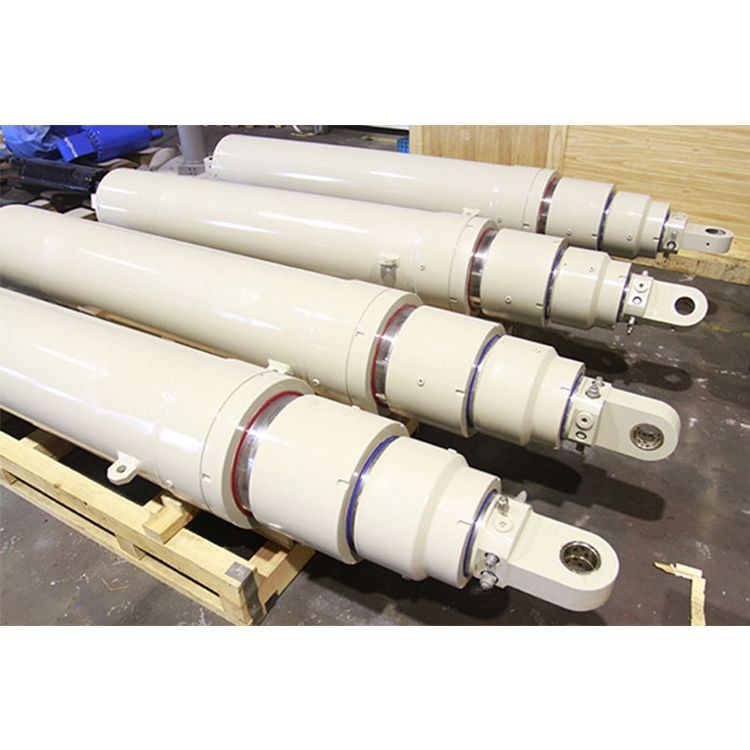
First off, let's understand what energy hydraulic cylinders are. These are specialized cylinders used in various energy - related applications. For example, Wave Power Cylinder is used in wave energy conversion systems. The constant movement and high - pressure environment in wave power applications put a lot of stress on these cylinders. Then there are Gas and Oil Exploration and Drilling Cylinder, which operate in harsh underground conditions, dealing with high pressures, abrasive materials, and extreme temperatures. And Wind Energy Hydraulic Cylinders are crucial components in wind turbines, where they help with pitch control and yaw adjustment.
Now, to answer the big question: Can they be repaired? The short answer is yes, most of the time, energy hydraulic cylinders can be repaired. But it depends on a few factors.
Factors Affecting Repairability
Damage Type
The type of damage is a major factor. Minor issues like a leaking seal can usually be fixed quite easily. Seals are a common point of failure in hydraulic cylinders. Over time, they can wear out due to friction, exposure to hydraulic fluid, and temperature changes. Replacing a seal is a relatively straightforward process. You just need to remove the old seal, clean the area, and install a new one.
However, if the damage is more severe, like a cracked cylinder barrel or a bent piston rod, the repair process becomes more complicated. A cracked barrel can compromise the structural integrity of the cylinder and may require welding or even replacing the entire barrel. A bent piston rod can cause uneven wear on the seals and other components, and it might need to be straightened or replaced.
Age of the Cylinder
The age of the energy hydraulic cylinder also matters. An older cylinder might have more wear and tear overall. Its internal components may be close to the end of their service life, even if the visible damage seems minor. In some cases, it might be more cost - effective to replace the whole cylinder rather than trying to repair it. For example, if an old cylinder has been in service for a long time and has had multiple small repairs in the past, the chances of it failing again soon are relatively high.
Cost - Benefit Analysis
When considering whether to repair an energy hydraulic cylinder, you have to do a cost - benefit analysis. The cost of repair includes the cost of parts, labor, and any downtime associated with the repair. On the other hand, the cost of replacement includes the price of a new cylinder, installation costs, and also downtime.
If the repair cost is a small fraction of the replacement cost and the cylinder is likely to work well for a reasonable period after repair, then repair is the way to go. But if the repair cost is close to or more than the cost of a new cylinder, replacement might be the better option.
The Repair Process
Inspection
The first step in repairing an energy hydraulic cylinder is a thorough inspection. This involves disassembling the cylinder and carefully examining each component. You need to check for signs of wear, damage, and corrosion. For example, you'll look at the piston rod for scratches or dents, the cylinder barrel for cracks or pitting, and the seals for signs of leakage or degradation.
Cleaning
Once the inspection is done, the next step is cleaning. All the components are cleaned to remove dirt, debris, and old hydraulic fluid. This is important because any contaminants left in the cylinder can cause further damage or affect the performance of the new parts. Cleaning can be done using solvents, brushes, and ultrasonic cleaners.
Replacement of Parts
After cleaning, the damaged or worn - out parts are replaced. As I mentioned earlier, seals are often replaced. But other parts like O - rings, bearings, and gaskets might also need to be changed. In some cases, more major components like the piston or the gland might need to be replaced.
Reassembly and Testing
Once all the new parts are installed, the cylinder is reassembled. Then it goes through a series of tests to make sure it's working properly. These tests usually include pressure testing to check for leaks and functional testing to ensure that the cylinder can extend and retract smoothly.
Benefits of Repairing Energy Hydraulic Cylinders
Cost Savings
One of the biggest benefits of repairing energy hydraulic cylinders is cost savings. In many cases, repairing a cylinder is much cheaper than buying a new one. This is especially true for minor repairs. By fixing a leaking seal or replacing a worn - out O - ring, you can save a significant amount of money.
Reduced Downtime
Repairing a cylinder can also reduce downtime. If you have to wait for a new cylinder to be manufactured and delivered, it could take weeks or even months. During this time, your equipment might be out of commission. But if you can repair the existing cylinder quickly, you can get your equipment back up and running in a much shorter time.
Environmental Benefits
Repairing cylinders is also better for the environment. Manufacturing new hydraulic cylinders requires a lot of energy and resources. By repairing and reusing existing cylinders, you're reducing waste and the overall environmental impact.
When to Replace Instead of Repair
As I've said, there are situations where replacement is a better option. If the cylinder is severely damaged beyond repair, like a completely shattered barrel or a piston rod that can't be straightened, then replacement is the only way. Also, if the cylinder is very old and has a history of repeated failures, it might be more cost - effective in the long run to replace it with a new one.
In conclusion, energy hydraulic cylinders can usually be repaired, but it depends on the specific circumstances. As a supplier, I always recommend a careful assessment of the damage, age, and cost - benefit before making a decision. If you're facing issues with your energy hydraulic cylinders and are not sure whether to repair or replace, don't hesitate to reach out. We can provide you with professional advice and help you make the best choice for your situation. Whether you need a simple repair or a new cylinder, we're here to support you. Contact us to discuss your requirements and start the procurement process today.

References
- "Hydraulic Cylinder Handbook" by Bosch Rexroth
- Industry reports on energy hydraulic cylinder maintenance and repair